Qing Dynasty Jade Bracelet Patterns:What were the most common patterns found on Qing Dynasty jade bracelets?
Q: What were the most common patterns found on Qing Dynasty jade bracelets?
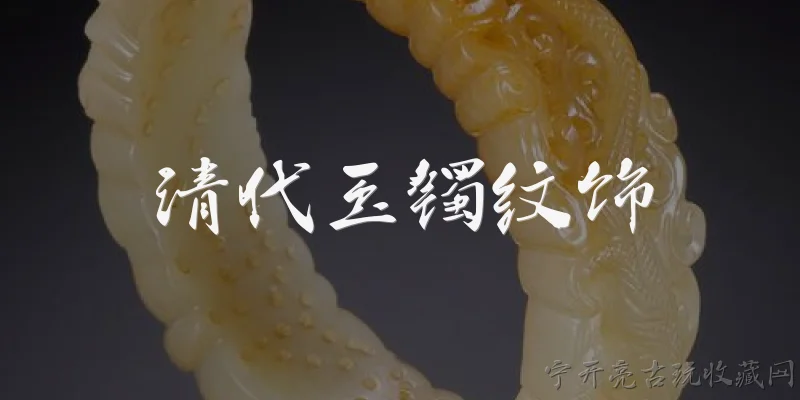
A: Qing Dynasty jade bracelets featured a wide variety of patterns, each carrying symbolic meaning. The most common included dragon and phoenix motifs, which represented imperial power and marital harmony. Floral designs such as lotus, peony, and plum blossom were also popular, symbolizing purity, wealth, and resilience. Animal patterns like bats (for good fortune), deer (for longevity), and fish (for abundance) frequently appeared. Geometric and auspicious symbols, including the endless knot, swastika, and double happiness character, were carved into bangles. Additionally, landscape scenes and calligraphy were sometimes etched onto high-quality jade. These patterns were not merely decorative; they reflected Confucian, Buddhist, and Daoist influences, as well as the wearer's social status and personal wishes. The choice of pattern often depended on the jade's color and shape, with green nephrite and white jade being favored for intricate carvings. Overall, Qing jade bracelet patterns blended artistic skill with deep cultural symbolism.
Q: How did the meaning of Qing Dynasty jade bracelet patterns reflect social status and beliefs?
A: In the Qing Dynasty, jade bracelets were more than jewelry; their patterns communicated social rank and spiritual beliefs. Dragon patterns were reserved for the imperial family and high officials, as the dragon symbolized the emperor's authority. Phoenix designs were worn by empresses and noblewomen, representing virtue and grace. Commoners typically used floral or animal motifs like lotus for purity or bats for luck. Daoist symbols, such as the Eight Trigrams or the crane, indicated a desire for longevity and immortality. Buddhist patterns, including the lotus and endless knot, reflected devotion and the cycle of rebirth. Confucian values appeared through motifs like bamboo (integrity) and plum blossom (perseverance). The quality of the jade and intricacy of carving also signaled wealth—only the affluent could afford fine white jade with detailed patterns. Thus, a bracelet's pattern was a visual language of one's place in society and personal aspirations, making it a powerful cultural artifact.
Q: Which Qing Dynasty jade bracelet patterns are rarest and most valuable today?
A: Among Qing Dynasty jade bracelets, the rarest and most valuable patterns are those associated with the imperial court and intricate craftsmanship. Dragon and phoenix combinations, especially those carved from flawless white or spinach-green jade, are highly prized. Patterns featuring the emperor's twelve symbols of sovereignty—such as the sun, moon, dragon, and mountain—are extremely rare. Also valuable are bracelets with the 'double happiness' character (for imperial weddings) or those inscribed with poems by Qianlong Emperor. Naturalistic scenes, like a landscape with pavilions and figures, required exceptional skill and are sought after. Rarity also depends on the jade type: Hetian white jade with mutton-fat luster is the most desirable. Condition matters—uncracked, well-preserved bracelets with original polish command higher prices. In auction houses, such pieces can fetch millions. Collectors should beware of modern imitations; authentic Qing patterns often show slight asymmetry and age-related patina. Overall, imperial-themed, figural, and calligraphic patterns are the pinnacle of Qing jade bracelet art.
Words of experience
Common scenarios of "Qing Dynasty Jade Bracelet Patterns"
【玉器收藏家】 你好,我最近收了一只清代玉镯,上面的纹饰很特别,想请教一下你。
【古玉研究学者】 很高兴交流。清代玉镯纹饰确实丰富,你先描述一下它的形制和图案吧。
【玉器收藏家】 镯身是圆条形的,外壁浮雕着缠枝莲纹,中间还穿插着蝙蝠和寿字。
【古玉研究学者】 缠枝莲配蝙蝠和寿字,这在清代很常见,寓意“福寿连连”。莲纹象征清廉高洁,蝙蝠谐音“福”。
【玉器收藏家】 原来如此。那这种组合在清代各个时期有区别吗?
【古玉研究学者】 有区别。清早期纹饰疏朗,刀法圆润;清中期繁密精细,常加“卍”字或如意云头;清晚期则趋于程式化,线条较硬。
【玉器收藏家】 我那只镯子线条挺流畅的,莲瓣饱满,是不是可能到乾隆时期?
【古玉研究学者】 有可能。乾隆时期玉器做工讲究,抛光也好。不过还要看玉质和整体风格,不能只凭纹饰断代。
【玉器收藏家】 玉质是青白玉,局部有糖色。蝙蝠的翅膀刻得很细,寿字是圆篆体。
【古玉研究学者】 青白玉带糖色在清代中晚期常见。圆篆寿字配蝙蝠,也叫“福寿双全”。你量过镯子的内径和条粗吗?
【玉器收藏家】 内径约5.8厘米,条粗1厘米,重量大概60克。
【古玉研究学者】 这个尺寸比较标准,适合女性佩戴。清代玉镯常见内径5.5到6厘米,条粗0.8到1.2厘米。
【玉器收藏家】 那除了缠枝莲、蝙蝠、寿字,清代玉镯还有哪些典型纹饰?
【古玉研究学者】 很多,比如竹节纹、绞丝纹、回纹、云纹、龙凤纹、双喜纹、八宝纹,还有素面镯。
【玉器收藏家】 竹节纹是不是寓意“节节高升”?
【古玉研究学者】 对,竹节纹寓意气节和步步高升。绞丝纹则模仿丝线缠绕,有绵绵不断之意。回纹象征富贵不断头。
【玉器收藏家】 那龙凤纹在镯子上多吗?我印象里镯子很少见龙纹。
【古玉研究学者】 相对少,因为镯子圆环形,雕龙讲究首尾相接。常见的是双龙戏珠或龙凤呈祥,多为宫廷或贵族定制。
【玉器收藏家】 听你这么一说,我这只镯子应该是民间常见的福寿题材,不是宫廷器。
【古玉研究学者】 可以这么理解,但民间精品也有很高价值。关键看雕工、玉质和保存状态。你可以拍清晰照片,我帮你进一步看看。