Qing Dynasty Opium Gourd:What was an opium gourd in the Qing Dynasty?
Q: What was an opium gourd in the Qing Dynasty?
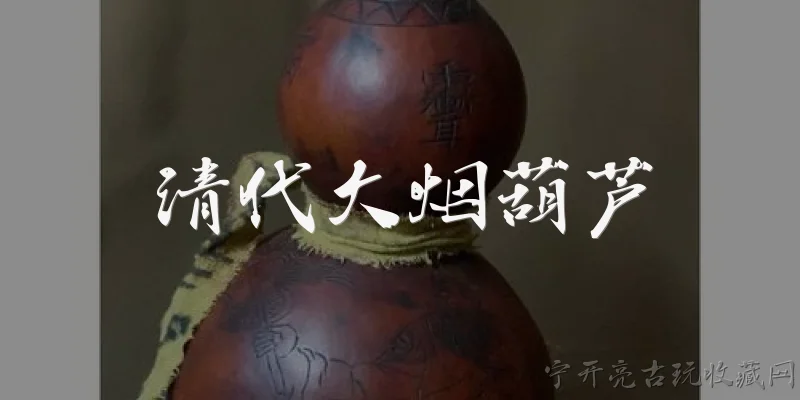
A: An opium gourd, or yandou, was a small container used to store opium paste during the Qing Dynasty. Made from materials like porcelain, jade, or metal, it often resembled a miniature gourd for easy carrying. These vessels were essential accessories for opium smokers, who would scrape out a small amount of the drug to prepare for smoking. The gourd's design typically included a tight-fitting lid to preserve moisture and aroma. While practical, many were intricately decorated, reflecting the artistic craftsmanship of the era and the social status of their owners.
Q: How did opium gourds reflect social status in Qing China?
A: In Qing China, opium gourds were more than functional items; they served as status symbols. Wealthy individuals commissioned gourds from precious materials such as jade, ivory, or silver, often adorned with elaborate carvings and inlays. Commoners used simple ceramic or bamboo versions. The quality and artistry of an opium gourd signaled the owner's wealth and refinement. During social gatherings in opium dens, comparing gourds became a subtle way to display one's rank. Consequently, these objects provide insight into the stratified society of the late Qing, where opium use cut across classes but its paraphernalia did not.
Q: What materials were Qing Dynasty opium gourds commonly made from?
A: Qing Dynasty opium gourds were crafted from a wide range of materials. The most common were porcelain and ceramic, affordable and easy to mold. Wealthier users favored jade, which was believed to have protective qualities. Other materials included ivory, horn, bamboo, wood, and various metals like silver and brass. Some gourds were made from gourds themselves, dried and lacquered. Each material affected the gourd's weight, durability, and aesthetic. For example, jade gourds were heavy and cool to the touch, while bamboo ones were lightweight. This diversity shows the adaptability of craftsmen to different markets and tastes.
Q: How did the Qing government respond to opium and opium paraphernalia like gourds?
A: The Qing government initially banned opium in 1729, but enforcement was lax until the late 18th century. As opium imports surged, officials like Lin Zexu cracked down, leading to the First Opium War (1839-1842). Opium gourds, as essential smoking tools, were confiscated and destroyed during anti-opium campaigns. However, after China's defeat, the trade continued illegally, and gourds remained in use. The government's inconsistent policies reflected deeper struggles with foreign influence and domestic addiction. By the late Qing, some officials even taxed opium to raise revenue, inadvertently legitimizing its paraphernalia. Thus, opium gourds became symbols of both rebellion and state weakness.
Q: What is the cultural legacy of Qing Dynasty opium gourds today?
A: Today, Qing Dynasty opium gourds are valued as historical artifacts and collectibles. Museums in China and abroad display them to illustrate the Opium Wars and their social impact. Collectors prize rare examples for their craftsmanship, especially those made of jade or bearing imperial marks. Some gourds are studied for their decorative motifs, which blend Chinese, Islamic, and European influences. However, they also serve as somber reminders of addiction's toll on Qing society. In contemporary art and literature, opium gourds sometimes symbolize decay or resistance. Overall, their legacy is dual: aesthetic appreciation and historical caution.
Dialogue about
Common scenarios of "Qing Dynasty Opium Gourd"
【李教授】 大家好,今天我们来聊聊一件特殊的文物——清代鸦片烟葫芦。小张,你之前提到在博物馆见过一件,能描述一下吗?
【小张】 李教授好!我在省博见过一件清代鸦片烟葫芦,大概拳头大小,材质像是瓷的,表面有青花图案,顶部有个小孔,底部也有孔,整体像个扁葫芦。
【李教授】 观察得很仔细。鸦片烟葫芦确实是这种形制,通常用来盛放鸦片膏。它一般由瓷、陶、玻璃或金属制成,葫芦形便于握持和刮取残余烟膏。
【小张】 为什么偏偏做成葫芦形呢?有什么特殊寓意吗?
【李教授】 葫芦在中国传统文化中象征福禄和长寿,但在这里更多是实用考量。葫芦的曲线适合手掌握持,而且小口能减缓鸦片膏氧化。另外,葫芦谐音‘福禄’,也算一种讽刺——吸食者往往家破人亡。
【小张】 原来如此。那这种烟葫芦在清代流行到什么程度?是只有富贵人家用吗?
【李教授】 鸦片在清代早期是作为药材进口的,后来吸食风气蔓延,从宫廷到民间都有。烟葫芦也因此有高低档之分:贵族用珐琅彩或玉质,平民用粗瓷或竹木。19世纪后,甚至出现专门烧制烟具的窑口。
【小张】 那鸦片烟葫芦和鸦片战争有什么直接关联吗?
【李教授】 有间接关联。鸦片贸易导致白银外流,社会问题严重,最终引发战争。烟葫芦作为吸食工具,是那段历史的见证物。不过它本身不是战争起因,而是鸦片泛滥的缩影。
【小张】 我在博物馆看到的那件,底部有‘同治年制’款,是不是说明它是官窑?
【李教授】 不一定。同治年制款可能是官窑,也可能是民窑仿写。需要看胎釉、画工和款识风格。如果是官窑,通常制作更精良,但鸦片烟具属于实用器,官窑产品较少,更多是民窑精品。
【小张】 那怎么辨别真伪呢?现在仿品多吗?
【李教授】 仿品不少,尤其近几十年。鉴别要点:一是看包浆,老物件有自然使用痕迹;二是看釉面,真品釉面温润,仿品往往贼光;三是看内部,烟葫芦内壁常有烟膏残留或刮痕,仿品很难仿到位。
【小张】 内壁残留会不会有毒性?博物馆怎么处理?
【李教授】 确实可能残留生物碱,所以博物馆一般会密封保存或做无害化处理。观众不能直接触摸。这也是为什么这类文物展出时常常放在玻璃罩里,并标注警示。
【小张】 除了瓷的,还有哪些材质的烟葫芦比较常见?
【李教授】 还有玻璃的,比如套料玻璃,很精美;金属的有铜胎画珐琅;竹木的则多刻山水诗文。不同材质反映不同阶层和审美。比如广东一带常见玳瑁或象牙材质,跟外贸有关。
【小张】 我听说有些烟葫芦还带烟灯、烟枪,是一整套的?
【李教授】 对,完整的一套叫‘烟具’,包括烟灯、烟枪、烟盘、烟签和烟葫芦。烟葫芦只是盛膏的容器。有些套装还配小铲子,用来挑烟膏。现在拍卖市场上,成套的价格很高。
【小张】 那从艺术角度看,烟葫芦有收藏价值吗?
【李教授】 有,但要区分。作为工艺品,它的绘画、雕刻、材质都有艺术价值;但作为du品用具,收藏时需注意伦理。很多博物馆把它作为近代史实物,而不是艺术品来展示。
【小张】 如果我想写一篇关于烟葫芦的论文,您建议从哪个角度切入?
【李教授】 可以选物质文化史角度,探讨器物如何反映社会变迁;或者从设计史看葫芦造型的功能与象征;也可以做区域研究,比较不同口岸城市的烟具风格。最好结合文献和实物。
【小张】 清代文献里有没有提到烟葫芦的记载?
【李教授】 有,比如《清稗类钞》里提到烟具,还有各类笔记小说。但专门描述烟葫芦的不多,更多是整体提‘烟壶’‘烟斗’。注意,这里的‘烟壶’有时指鼻烟壶,别混淆。
【小张】 鼻烟壶和鸦片烟葫芦容易搞混吗?
【李教授】 外行容易混。鼻烟壶小巧,通常高5-8厘米,用来装鼻烟粉末;鸦片烟葫芦稍大,扁圆,装膏状物。鼻烟壶是嗅吸,鸦片是燃吸。两者用途、形制、文化背景都不同。
【小张】 那现在存世的鸦片烟葫芦多吗?主要藏在哪些机构?
【李教授】 存世量不算少,但精品不多。故宫博物院、中国国家博物馆、上海博物馆都有收藏。地方博物馆和民间也有。有些是海关查没后移交的,有些是捐赠。
【小张】 最后一个问题:您觉得这类文物对今天有什么警示意义?
【李教授】 它提醒我们,du品曾给中华民族带来深重灾难。器物本身无声,但承载的历史记忆是沉重的。我们研究它,不是为了猎奇,而是为了以史为鉴,远离du品。