Qing Dynasty toothpick:What was a Qing Dynasty toothpick made of?
Q: What was a Qing Dynasty toothpick made of?
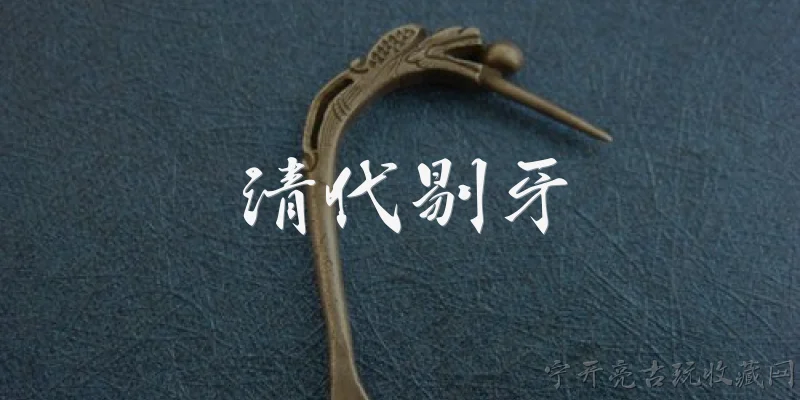
A: Qing Dynasty toothpicks were typically crafted from a variety of natural materials, reflecting the era's craftsmanship and social hierarchy. Common choices included bamboo, wood, ivory, bone, silver, and even gold for the wealthy. Bamboo and wood were the most accessible, used by ordinary people, while ivory and precious metals were reserved for the elite. Some toothpicks were elaborately carved with motifs such as dragons, phoenixes, or floral patterns, turning them into status symbols. Additionally, jade toothpicks existed but were rare due to the material's value. These objects were often part of a personal grooming set, sometimes stored in small cases or attached to a chain. The material and decoration directly indicated the owner's social rank and wealth, making the toothpick a surprisingly telling artifact of Qing daily life.
Q: How were toothpicks used in Qing Dynasty daily life?
A: In Qing Dynasty daily life, toothpicks served both practical and social functions. After meals, especially in wealthy households, it was customary to use a toothpick to clean one's teeth, often accompanied by rinsing the mouth with tea. Toothpicks were kept in small, ornate holders or cases, sometimes worn on a belt or hung from a button. During banquets, hosts might provide toothpicks as a sign of hospitality, and guests would use them discreetly. Beyond hygiene, toothpicks were also used in games or as small tools for picking up food. For the common people, a simple wooden or bamboo toothpick was a basic necessity, while the aristocracy might use silver or ivory ones to display refinement. The act of using a toothpick was thus intertwined with etiquette, health, and social display in Qing society.
Q: What is the cultural significance of Qing Dynasty toothpicks?
A: Qing Dynasty toothpicks carry cultural significance beyond their utilitarian purpose. They reflect the Confucian emphasis on personal hygiene and self-cultivation, as clean teeth and fresh breath were considered marks of a gentleman. The materials and designs also mirror the era's artistic trends, such as intricate carvings and the use of auspicious symbols. In literature and paintings, toothpicks occasionally appear as props in scenes of leisure or scholarly gatherings, hinting at refined living. Moreover, toothpicks were sometimes exchanged as gifts among officials or literati, symbolizing care and respect. For historians, they offer insight into daily routines, trade networks (since ivory came from abroad), and social stratification. Thus, a humble toothpick can reveal much about Qing aesthetics, manners, and material culture, bridging the gap between the mundane and the meaningful.
Q: How can I identify an authentic Qing Dynasty toothpick?
A: Identifying an authentic Qing Dynasty toothpick requires examining materials, craftsmanship, and wear patterns. First, check the material: genuine Qing toothpicks are often made of aged ivory, bamboo, or silver, which develop a distinct patina over time. Ivory will have fine cross-hatching lines, while silver may show tarnish or maker's marks. Second, inspect the carving: Qing artisans used hand tools, so details like dragon scales or floral motifs are slightly irregular, unlike machine-made replicas. Third, look for signs of use, such as smoothed tips or tiny scratches from cleaning. Fourth, provenance matters—items with a documented history or excavated from a dated site are more reliable. Finally, consult experts or compare with museum collections. Be wary of overly perfect or plastic-like pieces, as modern fakes are common. Authentic pieces often come with fitted cases or are part of a grooming set, adding to their authenticity.
Dialogue about
Common scenarios of "Qing Dynasty toothpick"
【Curator Li】 Good morning, everyone. Today, we have a special exhibit: a toothpick from the Qing Dynasty. This small ivory toothpick dates back to the Qianlong period.
【Visitor Wang】 A toothpick? That seems like an unusual item to preserve. Why is it significant?
【Curator Li】 In the Qing Dynasty, toothpicks were not just for cleaning teeth. They were often made of precious materials like ivory, jade, or silver, and used by the elite as a status symbol.
【Visitor Wang】 So it was a luxury item? How would it be used in daily life?
【Curator Li】 After meals, especially during banquets, it was customary to use a toothpick to clean teeth. But these were often decorative and carried in a small case attached to a belt.
【Visitor Wang】 Interesting. Did common people also use toothpicks?
【Curator Li】 Yes, but commoners used simpler ones made of bamboo or wood. The ivory ones were reserved for the wealthy and officials.
【Visitor Wang】 What can you tell me about this specific toothpick?
【Curator Li】 This one is carved with intricate patterns of dragons and clouds, typical of imperial workshops. It was likely owned by a high-ranking noble or even a member of the royal family.
【Visitor Wang】 Were toothpicks also used for medicinal purposes?
【Curator Li】 In traditional Chinese medicine, toothpicks could be used to apply medicine to specific points or to stimulate acupressure points. But that was more common with metal or bone ones.
【Visitor Wang】 How did the design of toothpicks evolve over the Qing Dynasty?
【Curator Li】 Early Qing toothpicks were simpler, but by the late Qing, they became more elaborate, sometimes with attached ear spoons or picks, forming a multi-tool for personal grooming.
【Visitor Wang】 That's fascinating. Are there any records of famous people using toothpicks?
【Curator Li】 Emperor Qianlong was known for his attention to oral hygiene. Historical records mention that he had a set of gold toothpicks. Also, in 'Dream of the Red Chamber', characters are often described using toothpicks after meals.
【Visitor Wang】 So it's a cultural artifact as well. How did the Opium Wars affect such luxury items?
【Curator Li】 The Opium Wars and subsequent decline of the Qing Dynasty led to a reduction in luxury production. Many ivory items were destroyed or lost. This toothpick is a rare survivor.
【Visitor Wang】 I see. Is there a connection between toothpicks and etiquette?
【Curator Li】 Absolutely. In Qing etiquette, using a toothpick in public was considered acceptable only if done discreetly. Covering your mouth with one hand was a sign of good breeding.
【Visitor Wang】 Thank you, Curator Li. This has been very enlightening. I'll never look at a toothpick the same way again.