Qing Dynasty Rhinoceros Horn Ruyi Scepter:What is a Qing Dynasty rhinoceros horn ruyi scepter?
Q: What is a Qing Dynasty rhinoceros horn ruyi scepter?
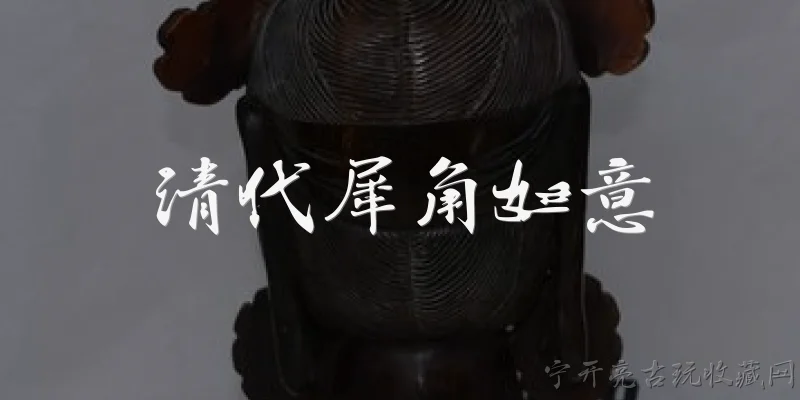
A: A Qing Dynasty rhinoceros horn ruyi scepter is a ceremonial object made from carved rhinoceros horn, shaped like the traditional ruyi (a curved decorative wand symbolizing power and good fortune). Produced during China's Qing Dynasty (1644–1912), these scepters were highly valued for the rarity and beauty of rhino horn, which was imported from Southeast Asia. Artisans carved intricate motifs such as clouds, dragons, or auspicious characters into the horn, often incorporating the natural curve and dark patina. Such scepters served as imperial gifts, religious offerings, or status symbols among the elite, and today they are rare collectibles in museums and auctions.
Q: Why was rhinoceros horn used for ruyi scepters in the Qing Dynasty?
A: Rhinoceros horn was prized in Qing Dynasty China for several reasons. First, it was extremely rare and expensive, as rhinos were not native to China and horn had to be imported from Southeast Asia or Africa. Second, the material was believed to possess medicinal and magical properties, including the ability to detect poison and bring good luck. Third, rhino horn has a fine grain and natural translucency that took carving exceptionally well, allowing artisans to create detailed reliefs. Its dark, rich color and smooth texture also appealed to imperial and literati tastes, making it a preferred material for luxury ruyi scepters.
Q: How were Qing Dynasty rhinoceros horn ruyi scepters carved and decorated?
A: Carving a rhinoceros horn ruyi scepter in the Qing Dynasty was a highly skilled process. Artisans first selected a horn with a suitable curve, then softened it with heat or moisture to shape the ruyi head and handle. They used fine knives and gravers to carve intricate designs, often in low or high relief, featuring motifs like dragons, phoenixes, clouds, bats, peaches, or the 'shou' longevity character. Some scepters were left plain to highlight the horn's natural grain, while others were inlaid with gold, silver, or precious stones. The finished piece was polished to a smooth sheen, and the dark brown or blackish color deepened with age and handling.
Q: What was the cultural significance of rhinoceros horn ruyi in the Qing court?
A: In the Qing court, rhinoceros horn ruyi scepters held deep cultural and political significance. The ruyi itself symbolized 'as you wish' or 'may all go well,' and was often presented as a gift to convey blessings, loyalty, or imperial favor. Because rhinoceros horn was rare and believed to ward off evil, such scepters were especially treasured by emperors, who gave them to officials, foreign envoys, or religious leaders. They also appeared in Buddhist and Daoist rituals as offerings. Possessing a rhino horn ruyi signaled high status and refinement, and they were frequently displayed in imperial studios or ancestral halls as objects of prestige and spiritual protection.
Q: Where can one see Qing Dynasty rhinoceros horn ruyi scepters today?
A: Today, Qing Dynasty rhinoceros horn ruyi scepters are held in major museums and private collections worldwide. The Palace Museum in Beijing and the National Palace Museum in Taipei have notable examples from the imperial collection. Other institutions include the Metropolitan Museum of Art in New York, the British Museum in London, and the Victoria and Albert Museum. Due to international bans on rhinoceros horn trade, these objects are no longer sold legally in many countries, but they occasionally appear at auctions as antiques with provenance. They are studied for their craftsmanship and as evidence of Qing Dynasty luxury arts and global trade networks.
Words of experience
Common scenarios of "Qing Dynasty Rhinoceros Horn Ruyi Scepter"
【Curator Li】 Good morning, everyone. Today, we have the privilege of examining a remarkable artifact: the Qing Dynasty Rhinoceros Horn Ruyi Scepter. This piece is not only a symbol of authority but also a masterpiece of craftsmanship.
【Historian Wang】 Indeed, Curator Li. The ruyi scepter, or 'as-you-wish' scepter, was often presented as a gift to emperors, symbolizing power and good fortune. This particular one from the Qing Dynasty is exceptional.
【Artisan Chen】 From an artisan's perspective, the carving on this rhino horn is incredibly detailed. The intricate patterns of clouds and dragons would have required immense skill and precision.
【Collector Zhao】 I've seen many ruyi scepters, but the luster and patina on this one are unique. It must have been cherished and handled carefully over centuries.
【Curator Li】 Yes, and it's made from rhinoceros horn, which was highly valued in traditional Chinese medicine and art. However, today we recognize the conservation issues surrounding rhino horn.
【Historian Wang】 In the Qing Dynasty, rhino horn was believed to have magical properties, including detecting poison. That's why such items were often kept in the imperial court.
【Artisan Chen】 The carving technique involves heating and shaping the horn, which is a delicate process. The dragon motif here is a classic imperial symbol, representing the emperor's power.
【Collector Zhao】 I wonder about its provenance. Was it part of the imperial collection, or did it belong to a high-ranking official?
【Curator Li】 Our research suggests it was likely owned by a prince or a minister, as it bears a seal mark that we are still deciphering. But it's definitely from the 18th century.
【Historian Wang】 The Qianlong Emperor was particularly fond of ruyi scepters and commissioned many. This one might be from his reign, given the style.
【Artisan Chen】 If it's from Qianlong's time, the craftsmanship would be top-notch. The Qianlong period is known for its exquisite arts and crafts.
【Collector Zhao】 I've read that rhinoceros horn ruyi are extremely rare now, partly due to the ban on rhino horn trade. This makes this piece even more valuable.
【Curator Li】 Absolutely. It's a cultural treasure that we must preserve and study. We're planning to include it in our upcoming exhibition on Qing Dynasty luxury arts.
【Historian Wang】 That's a great idea. It will help educate the public about the historical significance and the ethical considerations of using animal products in art.
【Artisan Chen】 I hope the exhibition also highlights the craftsmanship. The anonymous artisan who made this deserves recognition for their skill.
【Collector Zhao】 I agree. And perhaps we can also discuss how such items were used in rituals and daily life of the elite.
【Curator Li】 We'll cover all that. Now, let's take a closer look at the details. Notice the smooth curve and the way the horn's natural texture is incorporated into the design.
【Historian Wang】 Yes, the artisan cleverly used the horn's shape to enhance the dragon's form. It's a blend of natural beauty and human creativity.
【Artisan Chen】 And the color has deepened over time, giving it a rich amber tone. That's a sign of age and authenticity.
【Collector Zhao】 It's truly a masterpiece. Thank you, Curator Li, for sharing this with us today. I look forward to the exhibition.