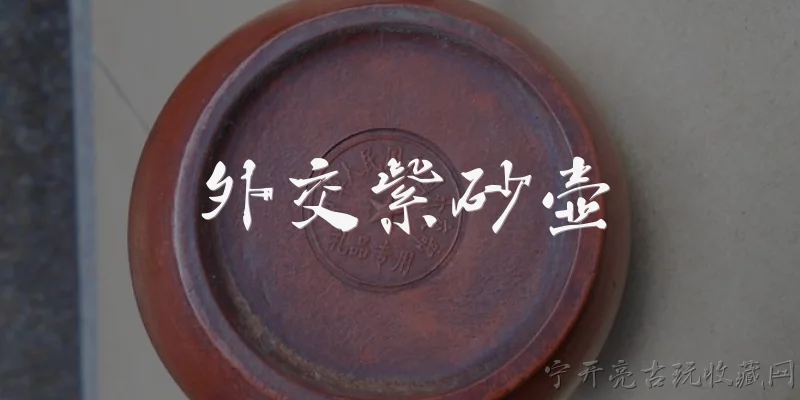
Making Yixing clay teapot photos:What kind of lighting works best when making Yixing clay teapot photos?
Q: What kind of lighting works best when making Yixing clay teapot photos?
A: Soft, diffused lighting generally produces the most flattering results for Yixing clay teapots because the material's subtle texture and matte-to-satin sheen respond poorly to harsh, direct light. A large softbox positioned slightly above and to one side creates gentle gradients that reveal the clay's grain and the pot's rounded curves without blowing out highlights. Adding a white reflector or fill card on the opposite side lifts shadow detail so the dark zisha tones don't go muddy. Many photographers favor a dark, neutral background such as charcoal fabric or black acrylic, which lets the warm reddish-brown, purple, or duan clay colors stand out. If you want to show surface texture, a low-angle grazing light can emphasize the fine sandy particles in the clay, but keep it subtle so the pot still looks refined rather than gritty.
Q: How should I compose and style a Yixing clay teapot for appealing photographs?
A: Keep the composition simple so the teapot remains the clear hero. A three-quarter angle usually shows the spout, body, and handle most attractively, while a slightly elevated viewpoint reveals the lid fit and the pot's silhouette. Pair the pot with minimal, culturally resonant props: a bamboo tea scoop, a small cup, a folded linen cloth, or a few dry tea leaves, but avoid cluttering the frame. Surfaces matter too; weathered wood, slate, or rough stone complement the earthy clay, whereas glossy modern tables can feel incongruous. Leave generous negative space, especially on the side the spout points toward, to give the image breathing room. Shooting in both horizontal and vertical orientations gives you flexibility for portfolios and social media, and including a close-up detail of the seal, lid knob, or surface texture adds storytelling depth to the set.
Q: What camera settings and gear do I need to photograph Yixing clay teapots sharply?
A: A macro-capable lens in the 50–100mm range is ideal because it lets you fill the frame without distortion and gives comfortable working distance. Use a tripod and a remote release or two-second timer to eliminate shake, since you'll often want small apertures. For a single pot, f/8 to f/11 usually keeps the whole piece acceptably sharp while retaining some background separation; stop down further only if you need the entire set in focus, and consider focus stacking for extreme close-ups. Set ISO to its base value, typically 100, to minimize noise, and adjust shutter speed to suit the lighting, which is easy with a tripod. Shoot in RAW so you can fine-tune white balance and recover highlight detail in the clay's sheen. A polarizing filter can tame reflections on glazed interiors or metal fittings, but use it sparingly to avoid dulling the natural luster.
Q: How do I edit Yixing clay teapot photos so the clay color stays accurate and natural?
A: Start with a neutral white balance, then verify the clay's hue against the actual pot under daylight, since zisha ranges from warm brick red to deep purple-brown and over-warming is a common mistake. Keep contrast moderate: lift shadows slightly so the darker clay tones retain detail, but don't crush blacks, which makes pots look flat. Use the HSL or color mixer panel to nudge reds and oranges toward their true tone rather than letting saturation run wild, and apply clarity or texture sparingly, as too much exaggerates the clay's grain and makes surfaces look artificial. Sharpening should be limited to edges, and you can mask out smooth background areas. Finally, check the image at 100 percent on a calibrated monitor and compare it side by side with the physical pot; consistent, restrained edits across a series will make your teapot portfolio look cohesive and credible.
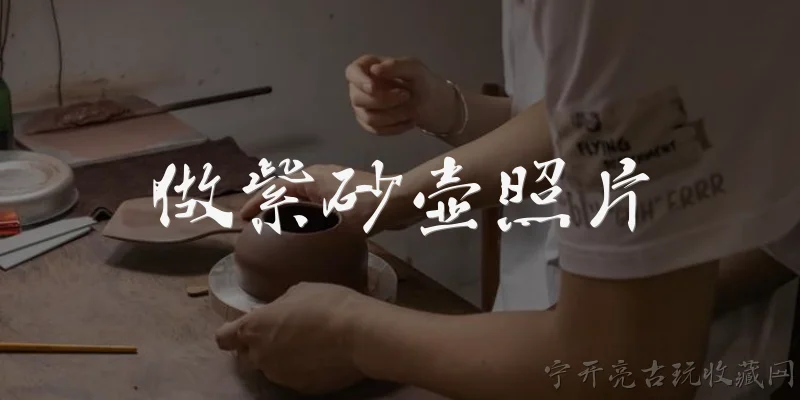
Words of experience
Common scenarios of "Making Yixing clay teapot photos"
【Photographer】 Hi, thanks for meeting me. I've been commissioned to shoot a series on Yixing clay teapots, and I'd love your input on how to make them look their best.
【Teapot Artisan】 Glad to help. Yixing clay has a very particular texture and color. What kind of look are you going for?
【Photographer】 I want to capture the subtle grain of the clay and the warm, earthy tones. Should I use a softbox or natural light?
【Teapot Artisan】 Natural light from a north-facing window works beautifully. It brings out the depth of the clay without harsh reflections.
【Photographer】 Good point. What about the background? I was thinking of a dark, textured cloth to contrast with the teapot.
【Teapot Artisan】 That could work, but make sure it doesn't overpower the teapot. A muted gray or deep brown linen might be better.
【Photographer】 I'll try a few options. Do you have a favorite teapot in your collection that I could start with?
【Teapot Artisan】 Yes, this small shuiping pot made from zini clay. It has a nice patina from years of use.
【Photographer】 The sheen on it is lovely. How do I avoid making it look too glossy in the photo?
【Teapot Artisan】 Use a diffuser and angle the light slightly from the side. That will highlight the texture without creating hot spots.
【Photographer】 Should I include a cup or some tea leaves in the composition?
【Teapot Artisan】 A small cup with tea could add context, but keep it minimal. The teapot should be the hero.
【Photographer】 Agreed. What about the lid? Sometimes it casts a shadow on the body.
【Teapot Artisan】 You can slightly lift the lid with a tiny piece of museum wax to create a subtle gap and avoid a heavy shadow.
【Photographer】 That's a great trick. I'll also bring a macro lens for close-ups of the stamp and spout.
【Teapot Artisan】 The stamp is important—it's the maker's mark. Make sure it's sharp and well-lit.
【Photographer】 I'll use a small LED panel for that. Do you think a shallow depth of field is better for the overall shot?
【Teapot Artisan】 Yes, a slightly blurred background will keep the focus on the teapot's form and texture.
【Photographer】 Thanks for all the tips. I'll set up a test shoot this afternoon and send you the proofs.
【Teapot Artisan】 Looking forward to seeing them. I'm sure you'll capture the spirit of Yixing clay.