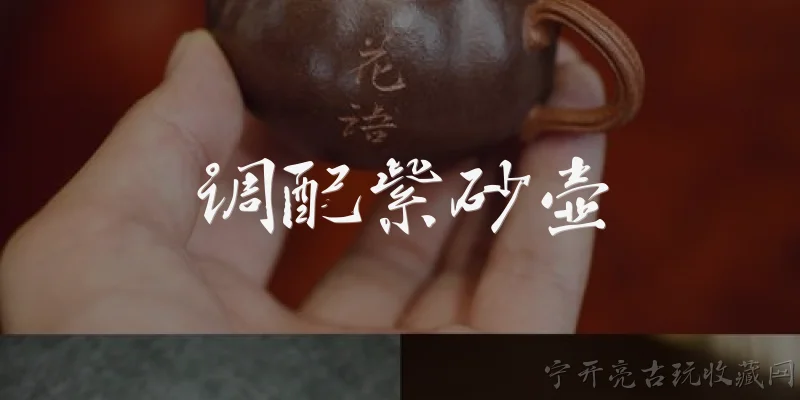
Diplomatic Purple Clay Teapot:What is a Diplomatic Purple Clay Teapot and why is it significant in Chinese tea culture?
Q: What is a Diplomatic Purple Clay Teapot and why is it significant in Chinese tea culture?
A: A Diplomatic Purple Clay Teapot refers to a Yixing teapot made from zisha (purple clay) that has been gifted or used in official diplomatic exchanges, symbolizing cultural heritage and goodwill. Yixing teapots, originating from Jiangsu Province, are prized for their porous clay, which absorbs tea oils over time, enhancing flavor and developing a unique patina. In diplomatic contexts, these teapots serve as state gifts, representing China's rich ceramic artistry and tea traditions. They often feature intricate carvings, inscriptions, or motifs tailored to the recipient country, blending craftsmanship with political symbolism. Historically, such teapots have been presented to foreign leaders, strengthening bilateral ties through cultural diplomacy. Their significance lies not only in their functional use for brewing tea but also in their role as ambassadors of Chinese intangible cultural heritage, promoting appreciation for traditional crafts and fostering international friendships.
Q: How are Diplomatic Purple Clay Teapots crafted, and what makes them different from regular Yixing teapots?
A: Diplomatic Purple Clay Teapots are crafted using the same traditional techniques as other Yixing teapots but with added emphasis on artistic excellence and diplomatic motifs. The process begins with mining zisha clay, which is aged, kneaded, and shaped by hand using tools like wooden mallets and bamboo knives. Artisans employ methods such as slab building or wheel throwing, then carve decorations, inscriptions, or seals that reflect diplomatic themes—such as national symbols, calligraphy, or landscapes of both nations. After shaping, the teapot is fired at high temperatures (around 1100–1200°C) in a kiln, sometimes multiple times for complex designs. What sets diplomatic teapots apart is their exclusivity: they are often one-of-a-kind, commissioned for specific events, and may include precious materials like gold leaf or jade inlays. Additionally, they are accompanied by certificates of authenticity and historical context, making them both functional art and diplomatic artifacts, unlike mass-produced Yixing teapots.
Q: What should collectors know about the value and authentication of Diplomatic Purple Clay Teapots?
A: Collectors should approach Diplomatic Purple Clay Teapots with caution due to their rarity and high market value. Authentic pieces are typically documented in official records, with provenance tracing back to state events or renowned artists like those from the Ming or Qing dynasties. Key authentication factors include the maker's seal, clay quality (authentic zisha has a unique texture and color), firing characteristics, and historical documentation. Value depends on factors such as the artist's reputation, age, condition, and diplomatic significance—teapots gifted by heads of state can fetch hundreds of thousands of dollars at auctions. Beware of forgeries, which often use lower-grade clay or modern replicas with fake seals. Collectors should consult experts, request thermoluminescence testing for age, and verify through museums or official archives. Additionally, these teapots are not just investments; they require proper care, such as dedicated use for one type of tea and gentle cleaning, to preserve their patina and value.
Words of experience
Common scenarios of "Diplomatic Purple Clay Teapot"
【Cultural Attaché Li】 Good morning, Ambassador. I have prepared a special gift for the upcoming diplomatic exchange with the European delegation. It's a purple clay teapot from Yixing, China.
【Ambassador Chen】 Ah, a classic choice. Purple clay teapots are renowned for their craftsmanship. What makes this one particularly suitable for diplomacy?
【Cultural Attaché Li】 This teapot is not just any purple clay; it's from a master craftsman and features a subtle engraving of a plum blossom and bamboo, symbolizing resilience and friendship. It's meant to foster cultural understanding.
【Ambassador Chen】 I see. The symbolism is profound. But we must ensure it's appropriate for the recipient. Who is the intended recipient?
【Cultural Attaché Li】 The recipient is the French Ambassador to China, Mr. Laurent. He has a deep appreciation for Chinese tea culture and has been instrumental in promoting cultural exchanges.
【Ambassador Chen】 That sounds promising. However, we need to be mindful of diplomatic protocols. Is there any risk of misinterpretation? For instance, could the teapot be seen as too personal or perhaps imply something about our intentions?
【Cultural Attaché Li】 I've considered that. In Chinese culture, giving a teapot signifies respect and a wish for harmonious relations. The plum blossom and bamboo are universal symbols of peace and integrity. It's a gesture of goodwill, not political.
【Ambassador Chen】 Good. But let's also consider the practical aspects. Is the teapot functional? Will it be used, or will it just sit on a shelf?
【Cultural Attaché Li】 It's fully functional, crafted to be used. In fact, purple clay teapots are meant to be used and seasoned over time, which aligns with the idea of nurturing relationships. I've included a small packet of premium tea leaves as well.
【Ambassador Chen】 That's a nice touch. Now, about the presentation. How do we plan to present it? During a formal meeting or a more private moment?
【Cultural Attaché Li】 I suggest a private moment after the official discussions, perhaps over tea. It would be more meaningful and allow for a personal connection.
【Ambassador Chen】 Agreed. But we must also prepare a speech or a few words to accompany the gift. Can you draft something that highlights the cultural significance without being overly elaborate?
【Cultural Attaché Li】 Of course. I'll draft a short message emphasizing the shared values of craftsmanship, patience, and friendship. Something like: 'This teapot, shaped by earth and fire, embodies the enduring friendship between our nations.'
【Ambassador Chen】 That's poetic. But let's not forget that the French might have their own tea traditions. Should we acknowledge that?
【Cultural Attaché Li】 Absolutely. I can add a line about how tea bridges cultures, from Chinese gardens to French salons. It shows mutual respect.
【Ambassador Chen】 Perfect. Now, logistics. How do we transport it safely? Purple clay is fragile.
【Cultural Attaché Li】 I've arranged for a custom padded box and will hand-carry it. It will be insured and handled with care.
【Ambassador Chen】 Good. Also, consider the timing. Is there any cultural significance to the date we present it?
【Cultural Attaché Li】 Not particularly, but if we present it during the spring, it aligns with the plum blossom season, adding a seasonal touch.
【Ambassador Chen】 Excellent. I think this gift will be well-received. Thank you for your thorough preparation, Li. Let's finalize the details and ensure it strengthens our diplomatic ties.