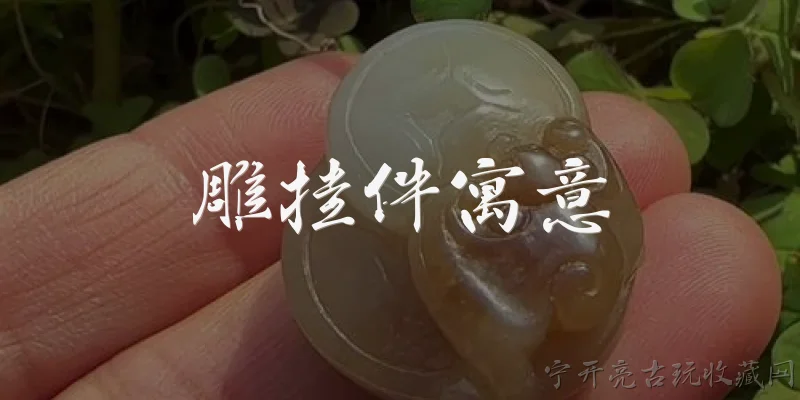
The Symbolism of the Dragon Pixiu:What does the Dragon Pixiu symbolize in Chinese culture?
Q: What does the Dragon Pixiu symbolize in Chinese culture?
A: The Dragon Pixiu, often depicted with a dragon's head and a Pixiu's body, is a powerful hybrid symbol in Chinese culture. It combines the dragon's authority, cosmic power, and auspiciousness with the Pixiu's legendary ability to attract and hoard wealth. Primarily, it symbolizes the accumulation and protection of wealth, but it also represents the fusion of earthly desires with heavenly blessings. The dragon part signifies supreme power, success, and the ability to control the elements, while the Pixiu part represents the greedy yet benevolent creature that brings fortune without letting it escape. Together, they embody a dual promise: material prosperity and spiritual elevation. Unlike the pure Pixiu, which is often seen as a wealth magnet, the Dragon Pixiu is also associated with warding off evil and overcoming obstacles, as the dragon's ferocity drives away negative energies. In feng shui, it is placed to activate wealth corners and protect businesses. Thus, it symbolizes a holistic form of luck—wealth, power, protection, and success—making it a favorite among entrepreneurs and those seeking advancement.
Q: How is the Dragon Pixiu used in feng shui to attract wealth and protection?
A: In feng shui, the Dragon Pixiu is a versatile cure for both wealth and protection. To attract wealth, it is typically placed in the wealth sector of a home or office, often determined by the bagua map or the annual flying star. For example, in 2024, the wealth star is in the east, so placing a Dragon Pixiu there can activate financial luck. It should face outward—toward a door or window—to draw in external riches, but not directly at a main entrance to avoid conflicting with the guardian deity. For protection, it can be placed near the front door to ward off sha chi (negative energy), but it must face the door. Unlike the traditional Pixiu, the dragon aspect makes it more aggressive, so it is also used to suppress adversaries in business. It is commonly made of materials like jade, citrine, or metal, each enhancing different elements. Regular cleansing with water or incense is advised to maintain its power. Avoid placing it in bathrooms or kitchens, as these areas deplete its energy. When used correctly, it creates a balanced flow of prosperity and defense.
Q: What is the mythological origin of the Dragon Pixiu and its significance?
A: The mythological origin of the Dragon Pixiu stems from ancient Chinese legends that blend the Pixiu, a creature born of the Dragon King, with dragon symbolism. According to one myth, the Pixiu was the ninth son of the Dragon King, known for its insatiable appetite for gold, silver, and jewels. Because it defecated these treasures, it was considered both a blessing and a nuisance. The Jade Emperor eventually sealed its rear, making it a symbol of wealth that never leaks. The Dragon Pixiu, therefore, represents this dragon lineage—combining the Pixiu's wealth-attracting nature with the dragon's celestial authority. In another tale, the Pixiu was punished for its greed but redeemed by serving as a guardian of treasures for the heavens. The dragon head signifies its royal blood and power to command fortune, while the Pixiu body signifies its role as a wealth magnet. This hybrid is often seen as a more potent version of the Pixiu, embodying the idea that wealth comes from both divine favor and personal effort. Its significance lies in the balance of greed transformed into generosity, making it a revered symbol in Chinese folklore and modern feng shui.
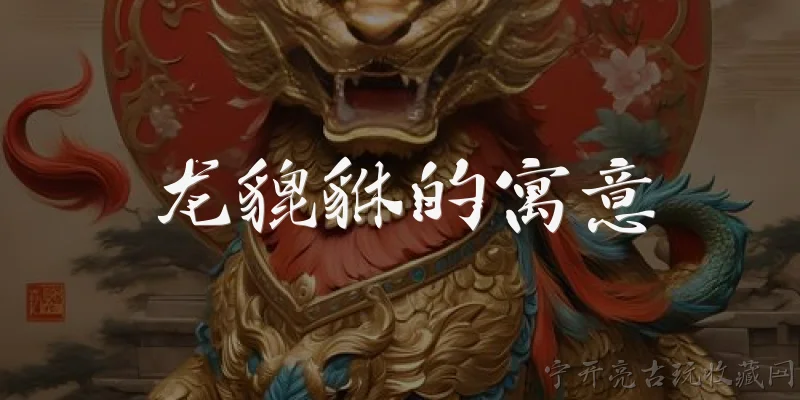
Words of experience
Common scenarios of "The Symbolism of the Dragon Pixiu"
【Cultural Historian】 Welcome, everyone. Today we're exploring the symbolism of the Dragon Pixiu, a fascinating mythical creature in Chinese culture. I'm joined by Feng Shui Master Li and Art Historian Dr. Chen. Let's start with a basic question: What exactly is a Dragon Pixiu?
【Feng Shui Master Li】 The Dragon Pixiu, often just called Pixiu, is a hybrid creature from Chinese mythology. It's typically depicted with a dragon's head, a lion's body, and sometimes wings. It's considered a powerful symbol of wealth and protection.
【Art Historian Dr. Chen】 Yes, and its origins can be traced back to ancient texts like the 'Classic of Mountains and Seas.' The Pixiu is one of the nine sons of the Dragon King in some legends, which explains its dragon features.
【Cultural Historian】 Interesting. So it's a dragon-like creature but distinct from dragons. What are its primary symbolic meanings?
【Feng Shui Master Li】 The Pixiu is most famous for attracting wealth. It's believed to have a voracious appetite for gold, silver, and jewels, but no anus, so it never lets wealth escape. That's why it's a favorite among businessmen.
【Art Historian Dr. Chen】 Beyond wealth, it also symbolizes protection. In ancient times, Pixiu statues were placed in tombs to guard the deceased and ward off evil spirits. Its fierce appearance is meant to intimidate malevolent forces.
【Cultural Historian】 So it serves both as a wealth magnet and a guardian. How did its symbolism evolve over different dynasties?
【Feng Shui Master Li】 During the Han Dynasty, Pixiu was already associated with treasure. By the Tang and Song dynasties, it became more popular in art and jewelry. In the Ming and Qing dynasties, it was commonly used in imperial courts and among the wealthy.
【Art Historian Dr. Chen】 And its depiction varied. In some periods, it had wings; in others, it was wingless. The materials also ranged from jade to gold to bronze, each adding layers of meaning.
【Cultural Historian】 What about the difference between male and female Pixiu? I've heard they are often paired.
【Feng Shui Master Li】 Yes, the male is called 'Pi' and the female 'Xiu.' The male has a horn on its head and represents wealth and career, while the female has no horn and symbolizes happiness and family. Together, they represent a balanced life.
【Art Historian Dr. Chen】 In art, they are often shown together, with the male on the left and female on the right, to bring harmony and prosperity to the household.
【Cultural Historian】 How is Pixiu used in modern feng shui practices?
【Feng Shui Master Li】 People place Pixiu statues in their homes or offices, usually facing the door or window to attract wealth. It's also worn as jewelry, like pendants or bracelets, to carry its energy. But there are rules: it should be placed on the ground, not in bedrooms or kitchens, and regularly cleaned.
【Art Historian Dr. Chen】 And it's important to note that Pixiu is not a god to be worshipped, but a symbol. Its power comes from the belief and intention of the owner.
【Cultural Historian】 Are there any taboos or common misconceptions about Pixiu?
【Feng Shui Master Li】 One taboo is that you shouldn't touch others' Pixiu, as it may absorb their energy. Also, it's not advisable to place it in the bathroom or facing a mirror. A common misconception is that it brings instant wealth; rather, it's about accumulating and preserving wealth over time.
【Art Historian Dr. Chen】 Another misconception is that all Pixiu look the same. In fact, there are regional variations and styles, each with unique features. For example, the Tibetan Pixiu has a more fierce expression.
【Cultural Historian】 What about the Dragon Pixiu specifically? How does it differ from other Pixiu?
【Feng Shui Master Li】 The term 'Dragon Pixiu' emphasizes its dragon heritage. In some traditions, the Dragon Pixiu is considered more powerful, as it combines the dragon's authority with Pixiu's wealth-attracting abilities. It's often depicted with more pronounced dragon scales and horns.
【Art Historian Dr. Chen】 Yes, and in art, the Dragon Pixiu is sometimes shown with a dragon's whiskers and a more serpentine body, blending the two creatures seamlessly.
【Cultural Historian】 Thank you both for this enlightening discussion. It's clear that the Dragon Pixiu is a rich symbol with deep cultural significance, from ancient myths to modern feng shui.