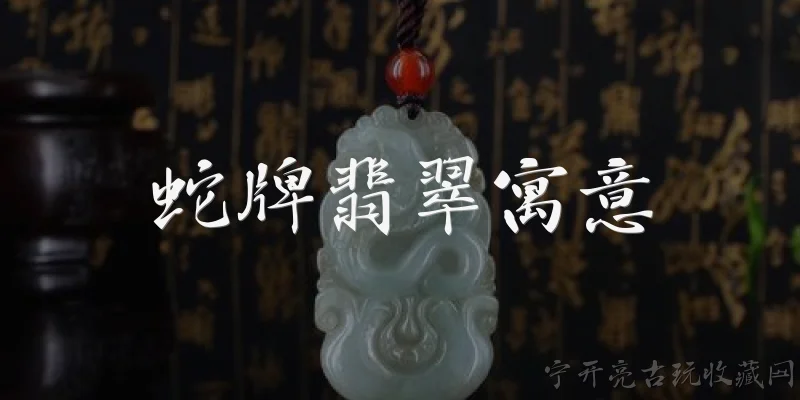
Symbolism of carved pendants:What is the symbolism of carved pendants in different cultures?
Q: What is the symbolism of carved pendants in different cultures?
A: Carved pendants carry rich symbolism that varies across cultures, often reflecting spiritual, protective, or status-related meanings. In ancient Egypt, scarab pendants symbolized rebirth and the sun god Ra, carved from stone or faience to accompany the deceased in the afterlife. In Norse traditions, runic or animal-shaped pendants like Thor's hammer (Mjölnir) represented protection and strength, while Celtic knots on pendants signified eternity and interconnectedness. Native American tribes carved totemic animals such as bears for courage or eagles for wisdom, believing these pendants invoked spiritual guidance. In East Asia, jade pendants with dragon or phoenix motifs embodied power, harmony, and imperial authority. Across cultures, the act of carving imbues the material with intention, making the pendant a tangible link between the wearer and the symbolic meaning. Whether worn for luck, faith, or identity, carved pendants serve as personal amulets, communicating beliefs and values without words.
Q: How do carved pendants convey personal or spiritual meaning?
A: Carved pendants convey personal or spiritual meaning through the deliberate combination of material, motif, and craftsmanship. The choice of material—such as wood, bone, gemstone, or metal—often carries inherent symbolism; for example, obsidian is associated with protection, while rose quartz represents love. The carved design, whether a religious icon, an animal, or an abstract pattern, acts as a visual mantra or talisman. When worn close to the body, the pendant serves as a constant reminder of one's intentions, beliefs, or aspirations. In spiritual practices, carving can be a meditative act, transferring the maker's energy into the object, which then becomes a vessel for personal meaning. Additionally, the tactile nature of a carved pendant allows the wearer to touch and connect with its symbolism throughout the day, reinforcing mindfulness. Over time, the pendant may accumulate personal history, evolving from a simple ornament into a cherished heirloom that tells a story of faith, love, or resilience, thus deepening its significance.
Q: What are common motifs in carved pendants and their meanings?
A: Common motifs in carved pendants include animals, symbols, and geometric patterns, each with specific meanings. Animals like the lion represent courage, the owl wisdom, and the snake transformation or healing. In many cultures, the fish is a symbol of fertility and abundance, while the butterfly signifies rebirth. Religious motifs such as crosses, om symbols, or dharma wheels denote faith and devotion. Geometric shapes also carry weight: circles symbolize eternity, triangles can represent balance or the divine, and spirals suggest growth and evolution. Celtic knots, with their unbroken lines, stand for eternal love and the interconnectedness of life. In African art, Adinkra symbols like Gye Nyame (supremacy of God) are carved into pendants to convey proverbs and philosophy. The meaning often depends on cultural context, but the universal appeal lies in the pendant's ability to encapsulate complex ideas in a small, wearable form, allowing the wearer to express identity, heritage, or personal values.
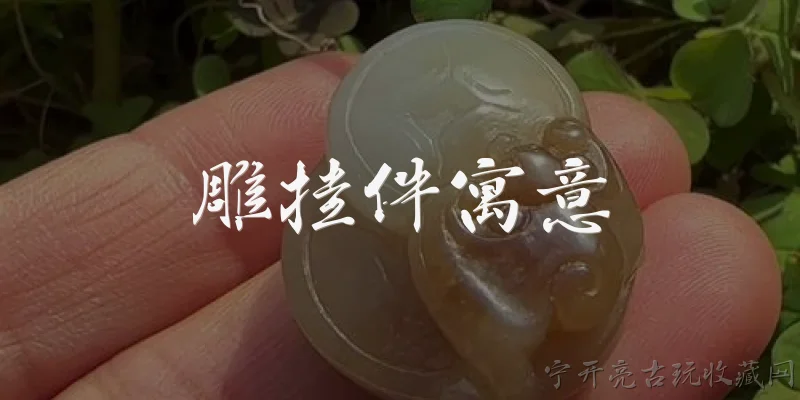
Dialogue about
Common scenarios of "Symbolism of carved pendants"
【Curator】 Good morning, everyone. Today we're here to discuss the symbolism of carved pendants across cultures. I've invited an anthropologist and a jewelry historian to share their insights.
【Anthropologist】 Thanks for having me. Carved pendants often serve as more than just decoration; they can be amulets, status symbols, or spiritual tools.
【Historian】 Absolutely. From ancient Egypt to Mesoamerica, pendants carved from stone, shell, or metal conveyed specific meanings. For instance, the Egyptian scarab beetle pendant symbolized rebirth and protection.
【Curator】 That's a great example. Could you elaborate on how the material itself contributes to the symbolism?
【Anthropologist】 Certainly. In many indigenous cultures, jade was considered more valuable than gold because of its association with life and eternity. The carving process also imbued the pendant with spiritual power.
【Historian】 In Norse culture, pendants shaped like Thor's hammer, Mjölnir, were not just symbols of the thunder god but also used for blessings and protection. The carvings often included intricate knotwork representing the interconnectedness of all things.
【Curator】 I've noticed that animal motifs are prevalent in many carved pendants. What do they signify?
【Anthropologist】 Animals often serve as totems or spirit guides. For example, a bear pendant in Native American cultures might represent strength and healing, while a bird pendant could symbolize freedom or a connection to the spirit world.
【Historian】 In Celtic traditions, animal pendants like the salmon or boar were tied to myths and were believed to confer specific traits to the wearer.
【Curator】 How did the introduction of new materials, like metal, change the symbolism of carved pendants?
【Historian】 Metal allowed for more detailed and durable carvings, but it also introduced new symbolic layers. Gold, for instance, became associated with divinity and royalty in many cultures, while silver was often linked to the moon and magic.
【Anthropologist】 And in some cultures, the combination of materials—like gold and jade—carried specific meanings. The contrast could represent duality, such as life and death or sun and moon.
【Curator】 Let's talk about personalization. Were carved pendants ever customized for individuals?
【Anthropologist】 Yes, in many societies, pendants were personalized with names, symbols, or specific deities. In ancient Rome, for example, children wore bulla pendants that contained amulets to ward off evil, and these were often engraved with protective symbols.
【Historian】 In medieval Europe, signet rings and pendants with family crests were used to seal documents, serving both as identification and as a mark of authority.
【Curator】 What about the role of carved pendants in religious contexts?
【Anthropologist】 In Hinduism, pendants with carved images of deities like Ganesha or Lakshmi are worn for blessings and protection. Similarly, in Buddhism, pendants with the image of Buddha or Buddhist symbols are common.
【Historian】 Christian pendants, such as crosses or medals of saints, are also widespread. The carving of these symbols is often done with great reverence, and they are believed to carry the power of the divine.
【Curator】 It seems that across cultures, carved pendants share common threads: protection, identity, and connection to the spiritual realm. Any final thoughts?
【Anthropologist】 I'd add that the act of carving itself is a symbolic gesture. The carver imbues the pendant with intention, making each piece a unique talisman.
【Historian】 And as we've seen, the symbolism evolves with time, but the core human desire to carry meaning close to our hearts remains constant.