Copper coin charm:What is a copper coin charm in Chinese culture?
Q: What is a copper coin charm in Chinese culture?
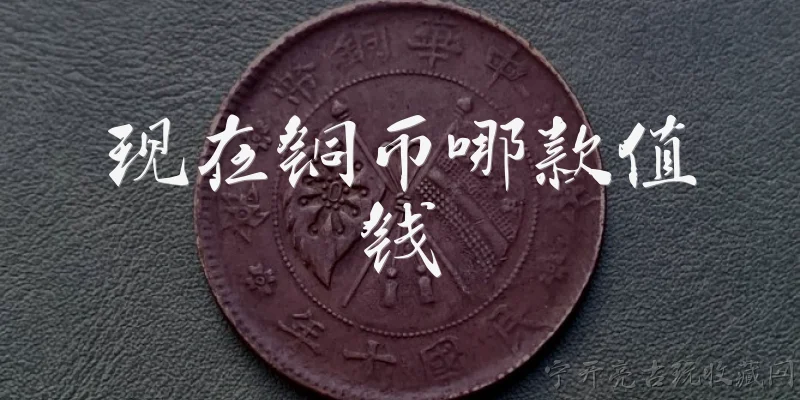
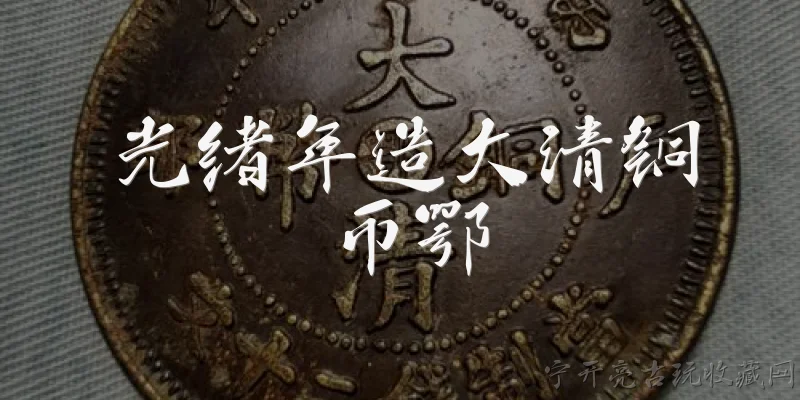
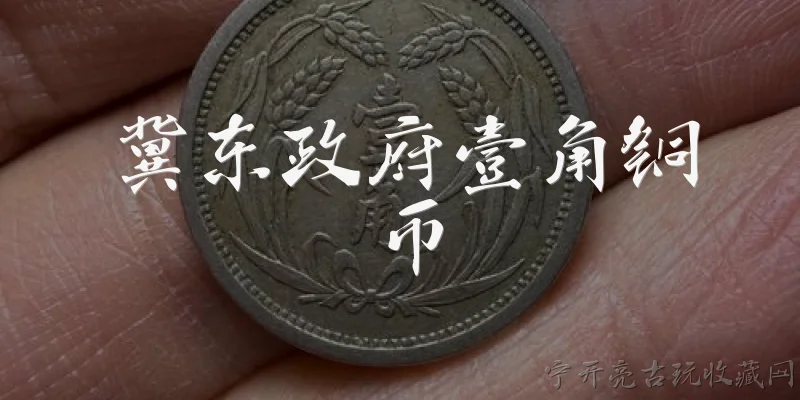
A: A copper coin charm is a traditional Chinese amulet made from copper or bronze coins, often featuring square holes and inscribed with auspicious characters. According to the China National Museum's reports on folk customs, these charms were used to ward off evil spirits and attract good fortune, especially during the Qing Dynasty. They typically replicate ancient coins like the Kangxi Tongbao, symbolizing wealth and protection. People wore them as pendants or hung them in homes to ensure safety and prosperity, reflecting deep-rooted beliefs in numismatic magic and feng shui principles.
Q: How are copper coin charms used in Feng Shui practices?
A: In Feng Shui, copper coin charms are used to enhance wealth and harmony. The International Feng Shui Association's guidelines state that stringing three to six coins with red thread creates a powerful cure for financial blocks. Place them in the wealth corner of a home or office to stimulate prosperity. They can also be buried under thresholds to ward off negative energy. Made of copper, a metal associated with the west and autumn, these charms balance chi and attract abundance, as documented in traditional Chinese metaphysical texts and modern Feng Shui manuals.
Q: What historical evidence supports the use of copper coin charms in China?
A: Historical evidence from the Palace Museum in Beijing shows that copper coin charms date back to the Han Dynasty, with peak use in the Qing Dynasty. Archaeological findings include charms inscribed with 'Zhou Yuan Tong Bao' and other reign titles, often found in tombs as burial items to protect the deceased. Official records like the Qing Dynasty's 'Da Qing Hui Dian' mention their production for imperial rituals. These artifacts confirm that copper coin charms served both as currency replicas and spiritual tools, blending monetary and religious significance in ancient Chinese society.
Q: Are copper coin charms considered collectibles or antiques?
A: Yes, copper coin charms are highly valued collectibles and antiques. The China Numismatic Museum reports that authentic Qing Dynasty charms can fetch thousands of dollars at auctions due to their rarity and craftsmanship. Collectors prize them for their historical inscriptions, patina, and cultural symbolism. However, many modern reproductions exist. The museum advises authentication by experts to distinguish genuine antiques from fakes. In 2020, a rare Kangxi charm sold for over $10,000, highlighting their market demand and status as tangible heritage artifacts.
Q: How can one differentiate a genuine copper coin charm from a modern replica?
A: To differentiate genuine copper coin charms from replicas, experts from the National Museum of China recommend examining patina, wear, and inscriptions. Authentic charms show natural oxidation (patina) from centuries of exposure, while fakes have artificial, uniform coloring. Genuine ones have irregular edges and hand-carved details; replicas are often too perfect. Also, check for specific historical markers like reign titles matching the era. The museum's 2018 guide suggests using a magnifying glass and consulting numismatic databases. Always verify with certified appraisers to avoid counterfeit purchases.
Dialogue about
Common scenarios of "Copper coin charm"
【Historian】 Good morning, everyone. Today we're exploring the fascinating world of copper coin charms. These small objects have a rich history and cultural significance.
【Collector】 Absolutely. I've been collecting them for years, and each one tells a unique story. They were often used as amulets or talismans.
【Historian】 Indeed. Many were made during the Qing Dynasty, but their origins go back even further. They typically feature auspicious symbols and characters.
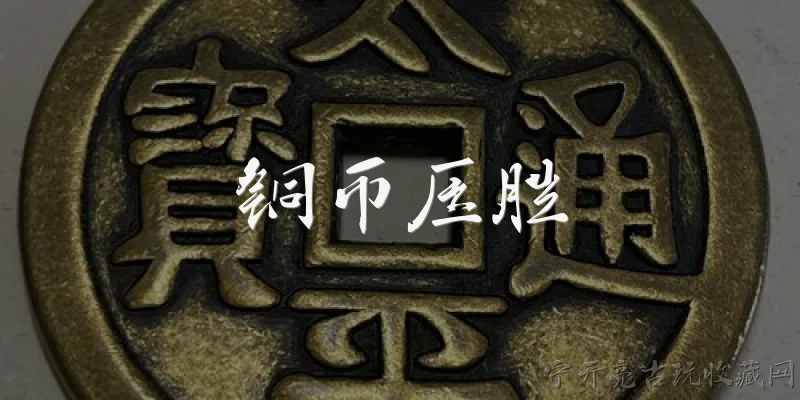
【Collector】 Yes, and they come in various shapes and sizes. Some are round with a square hole, like regular coins, while others are more elaborate.
【Historian】 The inscriptions often include phrases like 'May you have good fortune' or 'Long life and wealth.' They were believed to ward off evil spirits.
【Collector】 I have one with a bat and a coin, which symbolizes 'fortune in front of your eyes.' The bat represents good luck in Chinese culture.
【Historian】 That's a classic motif. Another common one is the 'Eight Trigrams' from the I Ching, used for divination and protection.
【Collector】 Some charms were specifically made for birthdays, weddings, or other life events. They were given as gifts to convey blessings.
【Historian】 Exactly. They also served as pocket pieces or decorative items. People would wear them on clothing or hang them in homes.
【Collector】 I've noticed that the craftsmanship varies widely. Some are crudely cast, while others are finely detailed, indicating different levels of production.
【Historian】 That's true. Imperial mints produced high-quality charms, but there were also many folk-made ones. The material is usually bronze or brass, not pure copper.
【Collector】 Right, and the patina can tell you a lot about age and authenticity. Fakes are common, so collectors need to be careful.
【Historian】 Yes, authentication is key. Studying the calligraphy, the metal composition, and the wear patterns can help determine if a charm is genuine.
【Collector】 I always advise beginners to buy from reputable dealers and to research before purchasing. It's a rewarding but complex field.
【Historian】 And don't forget the cultural context. These charms reflect the beliefs and aspirations of ordinary people throughout Chinese history.
【Collector】 They also make great conversation pieces. I love sharing the meanings behind each one with friends.
【Historian】 In recent years, there's been a surge in interest, both in China and abroad. Museums often display them as examples of folk art.
【Collector】 I think that's wonderful. It helps preserve this unique aspect of intangible cultural heritage.
【Historian】 Indeed. And with digital archives, more people can study them without handling fragile originals.
【Collector】 Well, I could talk about these all day, but we're out of time. Thanks for joining us!