Qianlong Tongbao liquor bottle:What is a Qianlong Tongbao liquor bottle and why is it collectible?
Q: What is a Qianlong Tongbao liquor bottle and why is it collectible?
A: A Qianlong Tongbao liquor bottle is a ceramic vessel that combines two distinct elements: the name of a Qing Dynasty coin and the function of a liquor container. The term "Qianlong Tongbao" refers to the inscription found on coins minted during the reign of Emperor Qianlong (1735–1796). Some modern or vintage liquor bottles, particularly from Chinese distilleries, are shaped like ancient coins or bear this inscription to evoke imperial heritage and prosperity. Collectors prize these bottles for their cultural symbolism, attractive glaze work, and association with traditional Chinese baijiu culture. Unlike actual coins, which are valuable for their metal content and historical provenance, liquor bottles are sought after for their ceramic craftsmanship, limited production runs, and decorative appeal. A genuine Qianlong-era bottle would be extremely rare and likely a museum piece, but most circulating examples are 20th-century or contemporary reproductions. Their value depends on condition, maker, age, and whether the original liquor seal remains intact. As a result, they occupy a niche between antique ceramics and modern collectible packaging.
Q: How can I tell if a Qianlong Tongbao liquor bottle is authentic or a reproduction?
A: Determining authenticity requires examining several features. First, check the base: authentic Qianlong-era ceramics would have a reign mark in blue underglaze, but almost all liquor bottles with this inscription are later reproductions. Look for modern manufacturing signs such as uniform thickness, bright chemical glazes, and printed rather than hand-painted characters. Second, inspect the inscription itself—genuine Qing dynasty calligraphy has subtle brush variations, while reproductions often use crisp, identical fonts. Third, consider the bottle's shape: original liquor bottles from the Qianlong period are virtually nonexistent because distilled spirits were stored in simpler containers. Most examples date from the 1980s onward, when Chinese distilleries began issuing commemorative bottles. Fourth, test the weight and sound: antique porcelain is denser and rings longer when tapped. Finally, consult an expert or use a UV light to spot modern repairs. If the price seems too low for an antique, it is almost certainly a reproduction. Remember, even a high-quality modern replica can be collectible if it is part of a limited edition or from a renowned distillery.
Q: What is the market value of a Qianlong Tongbao liquor bottle today?
A: Market value varies widely based on age, condition, rarity, and provenance. Most contemporary Qianlong Tongbao liquor bottles, produced as promotional items by baijiu brands like Moutai or Wuliangye, sell for $20 to $100 on secondary markets such as eBay or Chinese collectible sites. Limited-edition versions with intricate enamel work or gold accents can reach $300 to $500. If the bottle still contains sealed original liquor and is from a prestigious distillery, the price may exceed $1,000, though the liquid itself is often not meant for consumption due to age. True antique Qianlong-era bottles are extremely rare and would be auctioned at major houses like Sotheby's for thousands or tens of thousands of dollars, but these are almost never liquor bottles. Be cautious of online listings claiming "Qianlong Tongbao" as a genuine antique—most are modern reproductions worth under $50. To assess value accurately, check completed sales on auction platforms, consult a ceramics appraiser, and verify the maker's mark. Condition matters: chips, cracks, or missing stoppers reduce value by 50% or more.
Words of experience
Common scenarios of "Qianlong Tongbao liquor bottle"
【收藏家老张】 嘿,小李,你听说过‘乾隆通宝’酒瓶吗?我最近在古玩市场看到几个,挺有意思的。
【新手小李】 乾隆通宝?那不是清朝的铜钱吗?怎么变成酒瓶了?
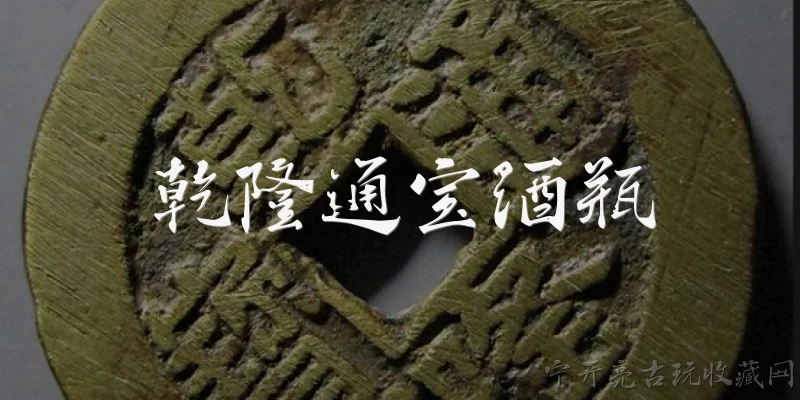
【收藏家老张】 哈哈,不是铜钱,是一种酒瓶,造型模仿乾隆通宝铜钱,中间有个方孔,瓶身写着‘乾隆通宝’四个字。
【新手小李】 哦,那这种酒瓶是什么时候的?里面装的是什么酒?
【收藏家老张】 大多是上世纪八九十年代生产的,装的是白酒,比如茅台镇的一些小酒厂出的。
【新手小李】 那为什么做成铜钱的样子?有什么寓意吗?
【收藏家老张】 寓意招财进宝呗,乾隆通宝本身就有‘钱到家’的说法,做成酒瓶既吉利又好看。
【新手小李】 那这种酒瓶现在值钱吗?
【收藏家老张】 看品相和年份,普通的几十块,稀有的能卖几百甚至上千。不过主要是收藏,不是投资。
【新手小李】 那怎么辨别真假?会不会有仿品?
【收藏家老张】 仿品很多,要看胎质、釉面、款识。真品一般釉面温润,款识规整,仿品往往粗糙。
【新手小李】 那酒瓶上的‘乾隆通宝’字样是印上去的还是刻上去的?
【收藏家老张】 多是印上去的,也有刻的,但刻的少。字体有楷书、隶书,还有篆书。
【新手小李】 那这种酒瓶有收藏价值吗?
【收藏家老张】 有啊,它反映了那个时代的酒文化和民俗,而且造型独特,很多藏家喜欢。
【新手小李】 那我也想收几个,有什么建议吗?
【收藏家老张】 先从便宜的入手,多看少买,注意品相,最好带原装酒或原盒,升值空间大。
【新手小李】 好的,谢谢张老师!我周末去古玩市场转转。
【收藏家老张】 别客气,遇到拿不准的可以拍照片发我看看。
【新手小李】 一定!那我先走了,回头聊。