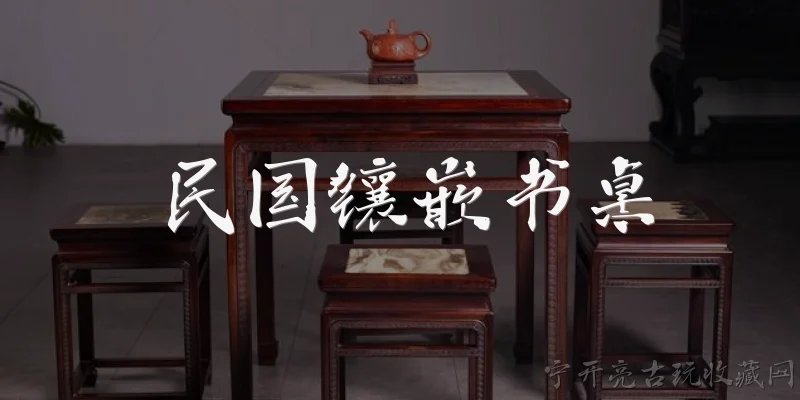
Yixing Republic-era Green:What is Yixing Republic-era green pottery?
Q: What is Yixing Republic-era green pottery?
A: Yixing Republic-era green pottery refers to teaware and decorative ceramics produced in Yixing, Jiangsu, China, during the Republic of China period (1912–1949). Unlike the famous unglazed zisha (purple clay), these pieces feature a distinctive green glaze or are made from a greenish clay body. The green often comes from ash glazes or low-fired lead glazes, giving a soft, jade-like appearance. Artisans combined traditional Yixing clay with new glaze techniques influenced by foreign markets, creating export-friendly wares. These pieces bridge classical Yixing stoneware and modern decorative ceramics, making them highly collectible today.
Q: How can I identify authentic Yixing Republic-era green pottery?
A: Authentic Yixing Republic-era green pottery has several telltale signs. First, the clay body is fine and dense, often with a subtle sheen. The green glaze should be unevenly applied, showing brush marks or drips, not perfectly uniform. Look for a stamped or incised maker's mark on the base—common names include those of renowned artisans like Fan Dingsheng or Jiang Rong. The piece should feel slightly heavier than modern imitations due to higher firing temperatures. Also, check for age-related wear: tiny scratches, patina, and occasional kiln flaws. Fakes often use chemical green glazes that are too bright and uniform. Consulting a specialist or comparing with museum examples is recommended.
Q: What types of items were made in Yixing Republic-era green pottery?
A: During the Republic era, Yixing potters produced a wide range of green-glazed items. Teapots remained the core product, but shapes diversified to include square, ribbed, and naturalistic forms like bamboo or lotus. Other common items were teacups, saucers, and small trays for the Gongfu tea ceremony. Decorative objects such as brush washers, water pots, vases, and even figurines were also made. Many pieces were designed for export to Southeast Asia and the West, so you might find green Yixing wares with European-style handles or motifs. These items served both practical and ornamental purposes, reflecting the period's blend of tradition and commercial adaptation.
Q: Why is Yixing Republic-era green pottery significant in ceramic history?
A: Yixing Republic-era green pottery is significant because it marks a transitional moment in Chinese ceramics. Before the Republic, Yixing was almost exclusively known for unglazed zisha teapots. The introduction of green glazes—often inspired by Song dynasty celadon or Qing export wares—shows potters experimenting with new aesthetics to meet changing market demands. It also reflects the impact of foreign trade and the decline of imperial patronage, forcing artisans to innovate. These pieces bridge the gap between traditional folk craft and modern studio pottery. Collectors value them for their rarity, historical narrative, and the technical skill required to fuse Yixing clay with green glazes successfully.
Q: How should I care for and display Yixing Republic-era green pottery?
A: To care for Yixing Republic-era green pottery, avoid harsh detergents or abrasive sponges, which can damage the glaze. Clean with a soft, damp cloth and mild soap if needed, then dry immediately. Keep pieces away from direct sunlight, extreme temperature changes, and high humidity to prevent cracking or glaze crazing. For display, use a stable shelf or cabinet with a soft lining. If you use a teapot for tea, dedicate it to one type of tea and rinse with hot water only—never put it in a dishwasher. Handle with clean hands to avoid oils. Proper care preserves both the aesthetic and monetary value of these historical ceramics for future generations.
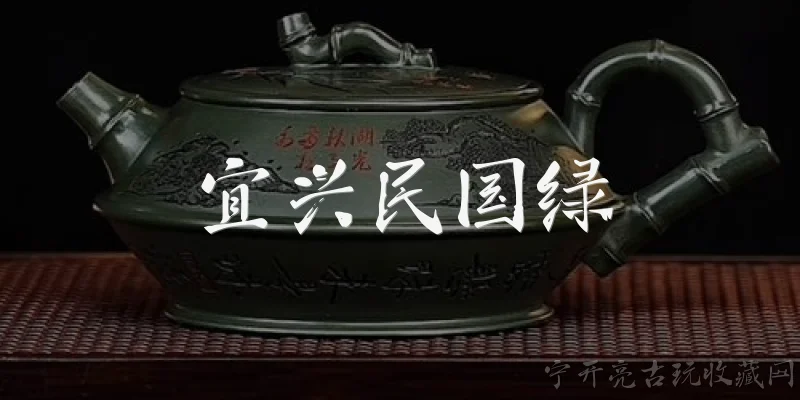
Words of experience
Common scenarios of "Yixing Republic-era Green"
【陈教授】 小张,你最近在研究民国时期的宜兴紫砂,有什么新发现吗?
【小张】 陈教授,我注意到民国时期宜兴出现了一种特别的釉色,被称为“民国绿”,您能给我讲讲它的来历吗?
【陈教授】 民国绿确实很有特色,它其实是一种以氧化钴为着色剂的高温釉,因呈色翠绿而得名。当时宜兴的窑户为了迎合市场需求,尝试在传统紫砂上施这种釉。
【小张】 那它和传统的宜兴紫砂有什么区别呢?
【陈教授】 传统紫砂讲究素面素心,不施釉,而民国绿则是在紫砂胎上施一层绿釉,烧成后既有紫砂的透气性,又有釉面的光泽,算是当时的一种创新。
【小张】 这种釉色为什么只在民国时期流行呢?
【陈教授】 民国时期社会动荡,但宜兴的陶瓷业反而因为外销和城市消费的兴起而有所发展。民国绿迎合了当时市民阶层追求新颖、艳丽的审美,所以流行一时。不过后来因为战乱和工艺传承问题,就逐渐衰落了。
【小张】 我听说民国绿还分几种不同的色调?
【陈教授】 是的,根据钴料的比例和烧成温度,民国绿有深绿、浅绿、苹果绿等变化。有些还带有细小的开片,很有韵味。
【小张】 那当时有哪些著名的窑户或艺人制作民国绿呢?
【陈教授】 比较有名的有“宜兴紫砂工艺厂”的前身一些作坊,比如范家、蒋家等。但具体到个人,由于史料有限,很难确切考证。不过我们可以从传世作品上看到一些款识。
【小张】 民国绿的制作工艺复杂吗?
【陈教授】 相对复杂。首先要选好紫砂泥料,制坯后要素烧一次,然后施釉,再高温烧成。釉的配方和烧成气氛都很关键,稍有不慎就会发色不正或流釉。
【小张】 现在还有人在仿制民国绿吗?
【陈教授】 有,但很多仿品只是形似,釉色和胎质都达不到民国时期的水平。真正的民国绿传世品不多,收藏价值很高。
【小张】 那我们在研究时应该注意哪些方面呢?
【陈教授】 要结合实物、文献和窑址考古。比如分析釉的化学成分,对比不同时期的胎土,还要查阅民国时期的报纸、广告等,了解当时的市场情况。
【小张】 谢谢陈教授,我受益匪浅!
【陈教授】 不客气,希望你能把民国绿的研究继续深入下去。