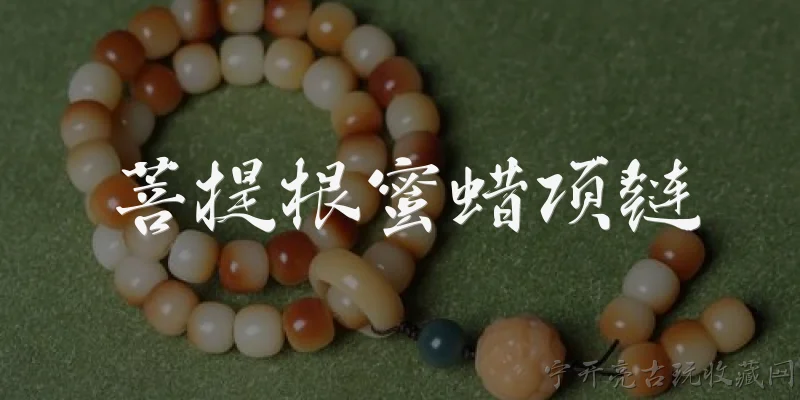
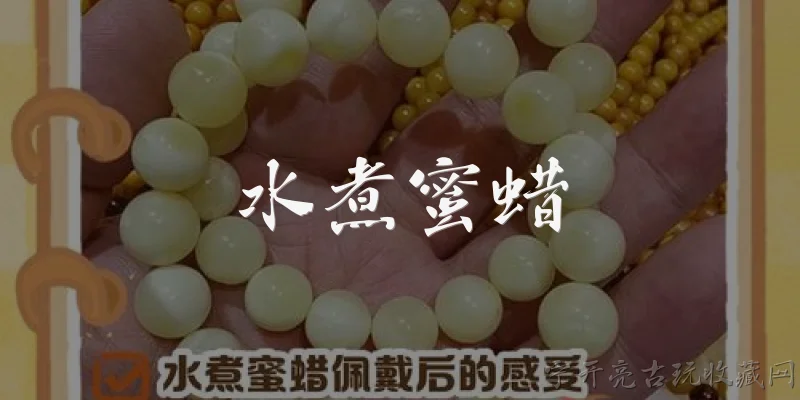
Old amber bracelet:What is an old amber bracelet?
Q: What is an old amber bracelet?
A: An old amber bracelet is a piece of jewelry made from fossilized tree resin, typically aged several decades or more. Amber itself is millions of years old, but 'old' in this context refers to the bracelet's vintage craftsmanship, often from the 19th or early 20th century. Such bracelets are valued for their warm hues, from honey to deep cognac, and may include inclusions like insects or plant matter. They are often hand-knotted between beads to prevent rubbing. Collectors prize them for historical significance, patina, and the unique character that only time can impart.
Q: How can I tell if an old amber bracelet is authentic?
A: To authenticate an old amber bracelet, start with visual inspection: real amber often has irregular inclusions, bubbles, and a warm, uneven color. Perform a static test by rubbing it on wool; amber attracts paper bits. A saltwater test (1 part salt to 4 parts water) will make amber float, while most plastics sink. Avoid hot needle tests as they damage the piece. Also, examine the clasp and stringing—old bracelets typically use cotton or silk thread and may have a barrel clasp. Consult a gemologist for definitive identification, especially for high-value pieces.
Q: What is the value of an old amber bracelet?
A: The value of an old amber bracelet varies widely based on age, color, clarity, size, and provenance. Butterscotch or cherry amber from the Baltic region is highly sought after. A genuine antique bracelet with large, clear beads and no cracks can fetch $500 to $5,000 or more at auction. Factors like original stringing, period clasp, and documented history increase worth. However, common amber bracelets from the mid-20th century may sell for $50 to $200. Always get a professional appraisal, as market demand and condition significantly impact price.
Q: How should I care for an old amber bracelet?
A: Care for an old amber bracelet by keeping it away from heat, direct sunlight, and chemicals like perfume, hairspray, or cleaning agents, which can dull or damage the surface. Store it separately in a soft pouch or lined box to avoid scratches. Clean gently with a soft, dry cloth; for deeper cleaning, use a slightly damp cloth with mild soap, then dry immediately. Never use ultrasonic cleaners or steam. Wear it occasionally to maintain its natural oils, but avoid exposing it to harsh conditions. With proper care, an antique amber bracelet can last for generations.
Q: Where can I buy an old amber bracelet?
A: You can buy an old amber bracelet from antique shops, estate sales, auction houses like Sotheby's or Christie's, and specialized vintage jewelry dealers. Online platforms such as Etsy, Ruby Lane, and 1stDibs offer curated selections, but verify seller reputation and return policies. Flea markets and pawn shops may yield hidden gems, though authentication is risky. For higher-end pieces, consider reputable antique jewelry shows or auctions. Always request a certificate of authenticity or a gemologist's report. Joining collector forums can also provide leads and advice on trustworthy sources.
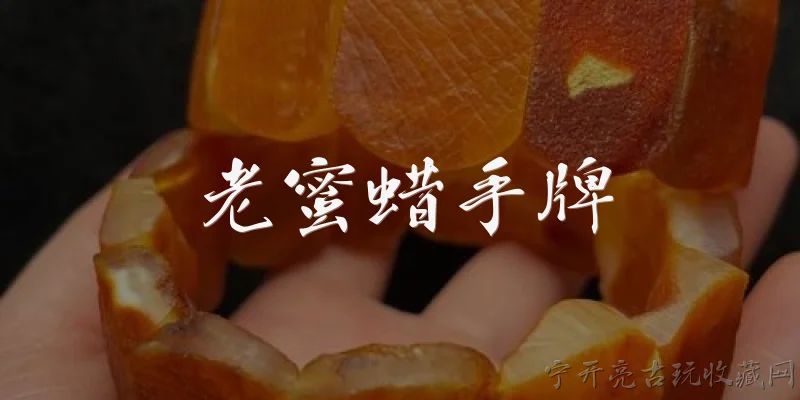
Dialogue about
Common scenarios of "Old amber bracelet"
【Appraiser】 Good morning, Mrs. Chen. I understand you brought in an old amber bracelet for evaluation?
【Client】 Yes, that's right. It belonged to my grandmother. I've had it stored away for years and finally decided to find out if it's valuable.
【Appraiser】 May I take a closer look? The color is quite distinctive—a deep, warm honey tone with some cloudiness.
【Client】 Please do. I've always loved how it feels when I hold it. It's warm, not cold like stone.
【Appraiser】 That's one of amber's unique properties. It's fossilized tree resin, so it feels warm to the touch. This piece is quite old, I can tell from the patina.
【Client】 How old do you think it is? My grandmother said it had been in the family for generations.
【Appraiser】 Based on the oxidation and the style of the carving, I'd estimate it's from the late Qing Dynasty, maybe 150 to 200 years old.
【Client】 That's incredible! I had no idea. Does the age make it more valuable?
【Appraiser】 Absolutely. But value also depends on the quality of the amber, the craftsmanship, and whether it's been treated or altered.
【Client】 I see. Is there a way to tell if it's been treated? I've never done anything to it.
【Appraiser】 We can test it with UV light and a few other non-invasive methods. Natural amber fluoresces a blue or green color under UV. Treated or fake amber often looks different.
【Client】 That sounds fascinating. Could you do that test now?
【Appraiser】 Of course. Let me bring out the UV lamp. ... See how it glows with that milky blue-green? That's a good sign.
【Client】 Oh, wow! I've never seen it do that before. So it's genuine?
【Appraiser】 It appears to be genuine Baltic amber, which was very popular in China during the Qing Dynasty. The carving style also matches that period.
【Client】 That's such a relief. I was worried it might be plastic or something. My grandmother always said it was special.
【Appraiser】 She was right. The bracelet has 18 beads, each carved with a different floral motif. That's quite intricate work. It would have been a luxury item.
【Client】 I never noticed the different flowers. I just thought they were all the same pattern. Can you tell me what they are?
【Appraiser】 Let me see... This one looks like a peony, symbolizing wealth. That one might be a lotus, representing purity. And here's a plum blossom, which stands for perseverance.
【Client】 That's beautiful. It makes me feel even more connected to my grandmother. She loved flowers.
【Appraiser】 It's a wonderful heirloom. If you ever consider selling it, I'd be happy to give you a formal appraisal. But I'd recommend keeping it in the family if possible.
【Client】 I think I will keep it. Thank you so much for your help. I'll treasure it even more now.