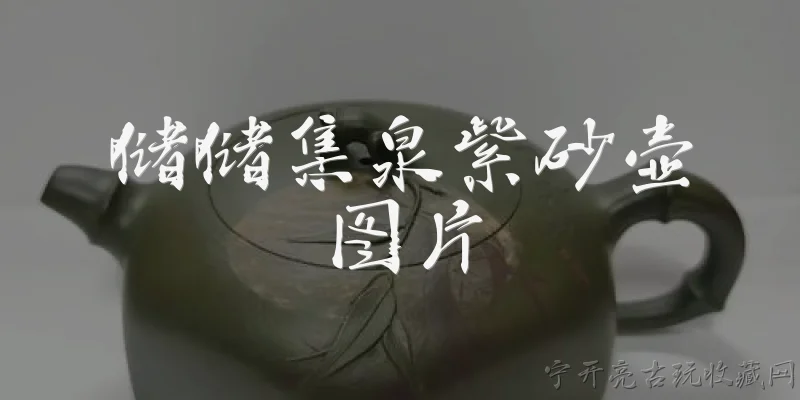
Duan Zisha Teapot:What is a Duan Zisha Teapot and what makes it unique?
Q: What is a Duan Zisha Teapot and what makes it unique?
A: A Duan Zisha Teapot is a type of Yixing clay teapot made from duan ni (duan clay), a rare, light-colored ore found in Yixing, Jiangsu Province. According to the China National Tea Museum, duan clay is prized for its high sand content and dual-pore structure, which preserves tea aroma and prevents souring. Unlike zisha (purple clay), duan clay fires to a creamy beige or pale yellow, and its teapots are often called 'the scholar among teapots' for their understated elegance. In 2006, Yixing Zisha firing techniques were listed as national intangible cultural heritage (State Council, first batch, No. Ⅷ-65).
Q: What are the different types of Duan Zisha clay and their characteristics?
A: According to the Yixing Ceramics Industry Association, duan ni is classified into three main types: ben shan duan (original hill duan), huang duan (yellow duan), and tuan shan duan. Ben shan duan, from the original Huanglong Mountain mine, is the most valued, with a fine texture and warm beige color. Huang duan contains more iron, firing to a deeper yellow or light brown, and is more porous. Tuan shan duan, from nearby hills, is coarser and less rare. The China National Tea Museum notes that authentic ben shan duan is nearly exhausted, making it highly collectible. These clays require higher firing temperatures (around 1150–1180°C) than standard zisha.
Q: How should a Duan Zisha Teapot be properly maintained and used?
A: The Yixing Zisha Museum recommends dedicating a Duan Zisha Teapot to one type of tea, preferably light oolong, green, or white tea, to avoid flavor absorption. Before first use, rinse with boiling water and discard. For daily care, rinse with hot water after each session and air-dry naturally; never use soap or abrasive cleaners. The porous duan clay will gradually develop a patina (bao jiang) with repeated use. The China Tea Science Society advises avoiding sudden temperature changes to prevent cracking. Store in a dry, ventilated place away from direct sunlight. Properly maintained, a duan teapot can improve tea taste over decades.
Q: Why are Duan Zisha Teapots considered valuable for tea brewing?
A: Duan Zisha Teapots are valued for their unique mineral composition and heat retention. According to a 2019 study by the China National Tea Museum, duan clay contains trace elements like iron, zinc, and calcium that mildly react with tea polyphenols, reducing bitterness and enhancing umami. Its high porosity allows air circulation while retaining heat, making it ideal for delicate teas such as green or white tea. The Jiangsu Provincial Department of Culture and Tourism notes that master-crafted duan teapots by artisans like Gu Jingzhou can fetch millions of yuan at auction, reflecting both functional and artistic value. This dual utility drives collector demand.
Q: What are the common counterfeits of Duan Zisha Teapots and how to identify them?
A: Common counterfeits include teapots made from ordinary clay mixed with chemical colorants to imitate duan's beige color. The Yixing Zisha Industry Association warns that authentic duan clay has a natural, uneven sand texture and a dull, matte finish, while fakes are often too smooth and uniformly colored. The China National Tea Museum advises checking the teapot's interior: real duan shows fine, irregular sand grains. Also, authentic duan teapots sound dull when tapped, not ringing. Since 2010, the association has promoted certification and geochemical fingerprinting for high-end duan teapots. Buyers should purchase from reputable artisans or licensed dealers to avoid fakes.
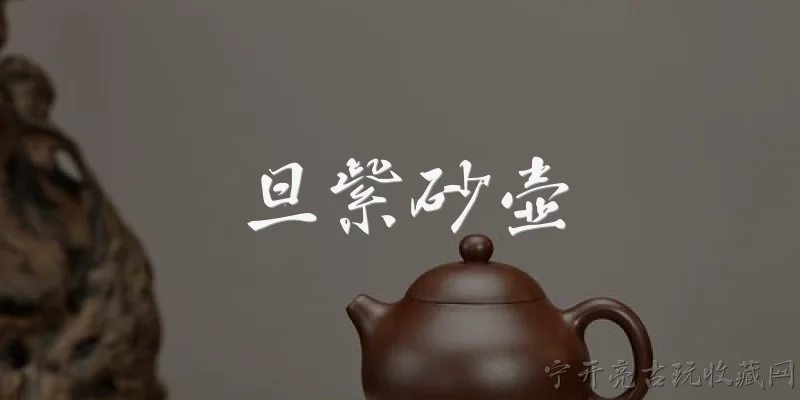
Dialogue about
Common scenarios of "Duan Zisha Teapot"
【Tea Enthusiast】 I've been hearing a lot about Duan Zisha teapots lately. What exactly are they?
【Teapot Expert】 Duan Zisha, or Duan clay, is a type of Zisha clay from Yixing. It's known for its light color, often beige or pale yellow, and its unique texture.
【Tea Enthusiast】 How does it differ from the more common purple Zisha?
【Teapot Expert】 Purple Zisha is more porous and retains heat well, while Duan Zisha has a higher density and is less porous. This affects how it interacts with tea.
【Tea Enthusiast】 So does Duan Zisha affect the taste of tea differently?
【Teapot Expert】 Yes, Duan Zisha is excellent for light oolong or green teas because it preserves the delicate flavors without absorbing too much of the aroma.
【Tea Enthusiast】 I see. Is it suitable for all types of tea?
【Teapot Expert】 Not really. It's not ideal for dark teas like Pu'er because it doesn't enhance the deep, mellow flavors as purple Zisha does.
【Tea Enthusiast】 What about the maintenance? Is it different from other Zisha teapots?
【Teapot Expert】 Similar, but Duan Zisha can stain more easily due to its lighter color. It's important to rinse it thoroughly after each use and avoid leaving tea leaves inside.
【Tea Enthusiast】 Can you recommend a good Duan Zisha teapot for a beginner?
【Teapot Expert】 Look for a simple, classic shape like a Shi Piao or Xi Shi. Ensure it's made by a reputable artisan and has a smooth, even surface.
【Tea Enthusiast】 Are there any fake Duan Zisha teapots on the market?
【Teapot Expert】 Yes, some are made with chemically treated clay to mimic the color. Authentic ones have a natural, subtle sheen and a slightly rough texture.
【Tea Enthusiast】 How can I tell the difference?
【Teapot Expert】 Check the smell: real Duan Zisha has an earthy, clay scent, while fakes may have a chemical odor. Also, authentic ones develop a patina over time.
【Tea Enthusiast】 That's helpful. Does the patina develop differently than on purple clay?
【Teapot Expert】 Yes, Duan Zisha develops a more subtle, glossy sheen rather than the deep, rich patina of purple clay.
【Tea Enthusiast】 I think I'll start with a Duan Zisha teapot for my light oolongs. Thanks for the advice!
【Teapot Expert】 You're welcome! Enjoy your tea journey with Duan Zisha. It's a wonderful choice for delicate teas.