
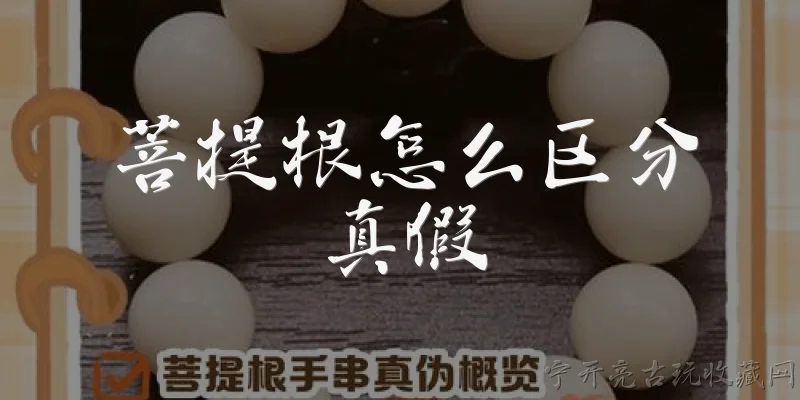
How to tell real Bodhi root from fake:What visual and structural features help distinguish a real Bodhi root from a fake?
Q: What visual and structural features help distinguish a real Bodhi root from a fake?
A: Real Bodhi root, often derived from the roots or lower trunk of certain Ficus or similar species used in mala beads, displays irregular, naturally formed grain patterns rather than uniform, repeating designs. When you examine a genuine piece, you will notice subtle color variations ranging from creamy beige to light brown, with occasional darker streaks that follow the wood's growth rings. The surface feels smooth but not artificially polished to a plastic-like sheen. Under magnification, real Bodhi root shows open wood pores and fine, fibrous textures. A fake, usually made from resin, plastic, or dyed common wood, tends to have perfectly identical patterns, an overly glossy or waxy finish, and no visible pores. Additionally, real Bodhi root is relatively lightweight and feels slightly cool to the touch, while many fakes feel heavier or warmer due to synthetic materials. Tapping two real beads together produces a soft, woody click; plastic imitations often sound hollow or dull. These combined visual and structural cues give you a reliable first-line check before moving to more destructive tests.
Q: How can smell, weight, and heat tests reveal whether Bodhi root is genuine or fake?
A: Smell is a powerful but often overlooked indicator. Genuine Bodhi root has a faint, earthy, woody aroma, sometimes with a hint of dried vegetation. Rubbing a bead briskly between your palms warms it slightly and releases this natural scent. Fakes made of resin or plastic often smell chemical, like glue, petroleum, or nothing at all. If the piece is dyed wood, you might detect a sharp, synthetic odor from the dye. For weight, real Bodhi root is less dense than most hardwoods; a standard 108-bead mala feels surprisingly light in the hand. Plastic or resin imitations are noticeably heavier for the same size. Heat tests are more invasive: hold a bead near (not touching) a flame for two or three seconds. Real wood will darken slightly and emit a smoky wood smell, while plastic may melt, bubble, or give off a acrid, chemical odor. Because heat can damage the beads, reserve this test for a hidden area or a single replacement bead. Always combine smell, weight, and heat results with visual inspection rather than relying on any single method.
Q: What simple at-home tests can verify Bodhi root authenticity without damaging the beads?
A: You can run several non-destructive tests at home. First, the water float test: real Bodhi root is less dense than water and should float. However, some porous beads may absorb water slowly; if a bead sinks immediately, it is likely a dense fake or stone imitation. Remove it quickly and dry it thoroughly to avoid cracking. Second, the scratch test on an inconspicuous spot, like inside a bead hole, using a pin. Real wood yields a tiny, fibrous shaving and a light scratch mark; plastic or resin produces a smooth curl or a powdery residue. Third, the UV flashlight test: many synthetic resins fluoresce bright blue or white under UV light, while natural Bodhi root shows little to no fluorescence, or a dull, natural glow. Fourth, the rub-and-smell test, as described earlier. Finally, check for consistency across the entire strand. A genuine mala will have slight variations in color, grain, and size because each bead comes from natural material. A fake strand often has machine-like uniformity. Document your observations and compare with a known authentic reference if possible. These methods preserve the beads and give you strong evidence before buying or trusting a seller.
Dialogue about
Common scenarios of "How to tell real Bodhi root from fake"
【Novice Buyer】 Hi, I'm looking to buy a Bodhi root bracelet, but I've heard there are a lot of fakes. Can you help me tell the difference?
【Expert】 Absolutely. First, real Bodhi root comes from the root of the Bodhi tree, while fakes are often made from resin, plastic, or cheaper woods. The key is to observe the texture and weight.
【Novice Buyer】 What should I look for in the texture?
【Expert】 Real Bodhi root has a natural, uneven surface with tiny pores and a matte finish. Fakes often have a uniform, overly smooth surface or a glossy plastic-like sheen.
【Novice Buyer】 How about the weight? Is it heavy or light?
【Expert】 Real Bodhi root is relatively lightweight because it's a natural wood, but it feels dense and solid. Fakes made of resin or plastic are often heavier or feel hollow.
【Novice Buyer】 I see. What about the color? Are there specific colors?
【Expert】 Real Bodhi root typically has a creamy white to light brown color with natural variations. If it's uniformly bright white or has an unnatural dye color, it's likely fake.
【Novice Buyer】 Can I test it with water?
【Expert】 Yes, you can. Real Bodhi root is porous and will absorb a small amount of water, darkening slightly. Fakes made of plastic or resin won't absorb water and will stay the same.
【Novice Buyer】 What about the smell? Does it have a distinct odor?
【Expert】 Real Bodhi root has a subtle, earthy, woody smell, especially when rubbed. Fakes often have a chemical or plastic smell, or no smell at all.
【Novice Buyer】 Is there a way to check the grain pattern?
【Expert】 Yes, use a magnifying glass. Real Bodhi root shows natural growth rings and irregular grain. Fakes often have repeating patterns or no grain at all.
【Novice Buyer】 What about the price? If it's very cheap, is it definitely fake?
【Expert】 Not always, but extremely low prices are a red flag. Real Bodhi root requires manual harvesting and processing, so it's usually more expensive than mass-produced fakes.
【Novice Buyer】 Are there any other tests, like scratching it?
【Expert】 You can gently scratch an inconspicuous area with a knife. Real Bodhi root will produce a fine wood powder, while plastic or resin will shave off in curls or flakes.
【Novice Buyer】 What about the hole for the string? Does that tell anything?
【Expert】 Yes, real Bodhi root beads often have slightly irregular holes due to natural drilling. Fakes have perfectly uniform, machine-drilled holes.
【Novice Buyer】 I've heard some fakes are made from other woods. How can I tell?
【Expert】 Other woods like pine or basswood can be dyed and shaped, but they lack the specific pore structure of Bodhi root. Under a magnifier, Bodhi root has distinct open pores.
【Novice Buyer】 Can I use a UV light?
【Expert】 UV light can help. Some resins fluoresce under UV, while real Bodhi root does not. However, not all fakes fluoresce, so it's not foolproof.
【Novice Buyer】 What about the feel when you rub it?
【Expert】 Real Bodhi root feels warm and slightly rough, and it may leave a faint woody residue on your fingers. Fakes feel cool and slick, like plastic.
【Novice Buyer】 Is there a difference in how they age over time?
【Expert】 Yes, real Bodhi root develops a patina and darkens with handling over months. Fakes remain unchanged or may crack or discolor unevenly.
【Novice Buyer】 What if I buy online? How can I verify before purchasing?
【Expert】 Ask for close-up photos under natural light, and request a video showing water absorption or a scratch test. Reputable sellers will provide these.
【Novice Buyer】 Are there any certifications or brands I should look for?
【Expert】 There's no universal certification, but trusted sellers often provide a certificate of authenticity from a gemological or wood testing lab. Research the seller's reputation.
【Novice Buyer】 Thanks, this is very helpful. Any final tips?
【Expert】 Always buy from a reputable source, and if the price seems too good to be true, it probably is. When in doubt, ask an expert to inspect it in person.