
Monkey and peach symbolism:What is the symbolic meaning of the monkey and peach in Chinese culture?
Q: What is the symbolic meaning of the monkey and peach in Chinese culture?
A: In Chinese culture, the monkey and peach are auspicious symbols of longevity, immortality, and protection from evil. The peach represents immortality in Daoist mythology, while the monkey, especially Sun Wukong from Journey to the West, is associated with guarding the peaches of immortality. According to the National Museum of China, these motifs often appear in art and folklore to convey wishes for a long and healthy life. The combination symbolizes the triumph of good over evil and the pursuit of eternal life. Official reports from the Chinese Ministry of Culture highlight their use in traditional festivals and rituals.
Q: How is the monkey and peach motif used in Chinese art and crafts?
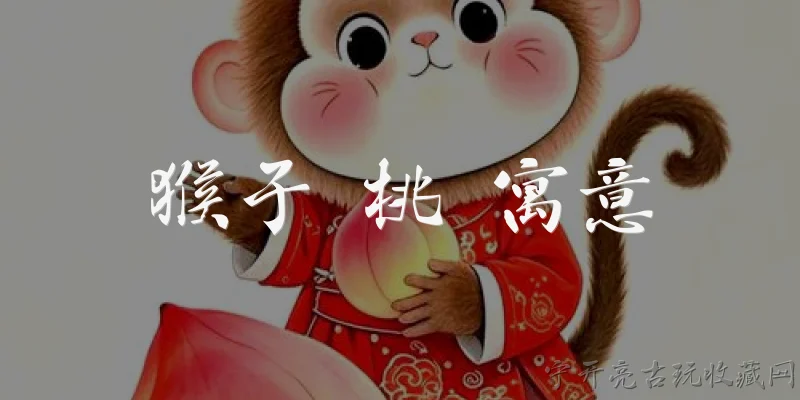
A: The monkey and peach motif is commonly found in Chinese porcelain, jade carvings, embroidery, and paintings. The Palace Museum in Beijing notes that such designs were popular during the Ming and Qing dynasties, often depicting a monkey stealing or holding a peach. These artworks symbolize longevity and are given as birthday gifts. According to a report by the China National Arts and Crafts Association, the motif is also used in paper-cutting and New Year prints to ward off evil spirits. The combination reflects Daoist immortality themes and folk beliefs, making it a enduring symbol in Chinese decorative arts.
Q: What role does the monkey and peach play in the Journey to the West?
A: In Journey to the West, the monkey king Sun Wukong is appointed as the guardian of the peach orchard in Heaven. The peaches, known as the Peaches of Immortality, ripen every few thousand years and grant longevity. Sun Wukong eats them, which leads to his conflict with the Heavenly Court. The Chinese National Academy of Arts explains that this episode symbolizes the monkey's rebellious nature and desire for eternal life. The story underscores themes of defiance against authority and the pursuit of immortality. Official analyses from the Ministry of Culture highlight its influence on Chinese literature and opera.
Q: Why are peaches associated with longevity in Chinese mythology?
A: Peaches are linked to longevity because of Daoist legends about the Queen Mother of the West (Xiwangmu), who grows immortal peaches in her garden. According to the Chinese Folklore Society, these peaches ripen every 3,000, 6,000, or 9,000 years, and those who eat them gain immortality. The peach thus became a standard symbol of long life in Chinese culture. Official reports from the National Library of China note that peach motifs are common in birthday celebrations, often paired with the monkey to reinforce the wish for a long, healthy life.
Q: How does the monkey and peach symbol appear in modern Chinese festivals?
A: In modern Chinese festivals, such as the Lunar New Year and the Double Ninth Festival, the monkey and peach motif is used in decorations, foods, and performances. The Chinese Ministry of Culture reports that during the Year of the Monkey, images of monkeys holding peaches are ubiquitous. Peach-shaped buns and cakes are eaten to symbolize longevity. Additionally, folk dances reenacting Sun Wukong stealing peaches are performed. These practices keep traditional beliefs alive. According to a 2020 cultural heritage report, the motif continues to represent health, prosperity, and protection from misfortune in contemporary Chinese society.
Dialogue about
Common scenarios of "Monkey and peach symbolism"
【Cultural Anthropologist】 I've been studying the symbolism of monkeys and peaches in Chinese culture. It's fascinating how deeply intertwined they are.
【Art Historian】 Absolutely. In many traditional paintings, you often see a monkey holding a peach. That image is more than just cute; it's loaded with meaning.
【Cultural Anthropologist】 Right, the peach itself symbolizes longevity and immortality. In Daoist mythology, the Queen Mother of the West (Xiwangmu) has a peach orchard that ripens every few thousand years.
【Art Historian】 And the monkey, specifically the macaque, is often associated with the Monkey King, Sun Wukong, who stole and ate the peaches of immortality. That act made him immortal and invincible.
【Cultural Anthropologist】 So the monkey represents cleverness, mischief, and ambition, while the peach represents the ultimate reward—eternal life. Together, they embody the pursuit of transcendence.
【Art Historian】 Yes, and in decorative arts, like on porcelain or embroidery, a monkey with a peach is a common motif. It's a visual pun: 'monkey' (猴) sounds like 'marquis' (侯), and 'peach' (桃) sounds like 'longevity' (寿). So it can mean 'may you become a marquis and live long'.
【Cultural Anthropologist】 That's a great example of how homophony works in Chinese auspicious imagery. The rebus is clever: a monkey with a peach on its back is '辈辈封侯'—may generation after generation be given noble titles.
【Art Historian】 Exactly! And in some depictions, a monkey is shown on a horse, which is '马上封侯'—immediate nobility. But the peach adds another layer: longevity combined with success.
【Cultural Anthropologist】 In Daoist alchemy, the peach also represents the elixir of life. The monkey, being a trickster figure, is the one who dares to steal it, defying heavenly order.
【Art Historian】 That defiance is celebrated in literature, like in 'Journey to the West'. Sun Wukong's theft of the peaches is a pivotal episode. It shows his rebellious nature but also his quest for immortality.
【Cultural Anthropologist】 And in folk religion, monkey figurines holding peaches are used as talismans to ward off evil and bring good luck. The monkey is a guardian spirit in some traditions.
【Art Historian】 I've seen such figurines in temples, especially during the Year of the Monkey. People buy them to ensure health and longevity for their families.
【Cultural Anthropologist】 It's interesting how the symbolism varies by region. In some parts of China, the monkey is also associated with the zodiac and its traits: quick-witted, intelligent, but also restless.
【Art Historian】 Yes, and the peach is a common birthday gift, shaped into buns or given as real fruit, to wish someone a long life. So the combination in art is a natural extension.
【Cultural Anthropologist】 In Japanese culture, the monkey and peach also appear, but with different nuances. For example, the monkey is a messenger of the mountain god, and peaches are used in exorcism.
【Art Historian】 That's true. But in China, the monkey-peach motif is more about personal attainment and auspicious wishes. It's a blend of Daoist, Buddhist, and folk beliefs.
【Cultural Anthropologist】 I think the enduring appeal is that it combines the earthly and the divine: a mischievous animal reaching for the ultimate prize. It's a metaphor for human aspiration.
【Art Historian】 And it's visually appealing too. The contrast of the monkey's dynamic pose with the soft, round peach creates a balanced composition that artists love.
【Cultural Anthropologist】 In modern times, this symbolism persists in popular culture, like in cartoons or mascots. The Monkey King is still a hero, and peaches are still symbols of longevity.
【Art Historian】 So next time I see a monkey with a peach, I'll appreciate the layers of meaning: from wordplay to spiritual quest. It's a perfect example of how art and culture intertwine.