Yuli jade:What is Yuli jade and where is it found?
Q: What is Yuli jade and where is it found?
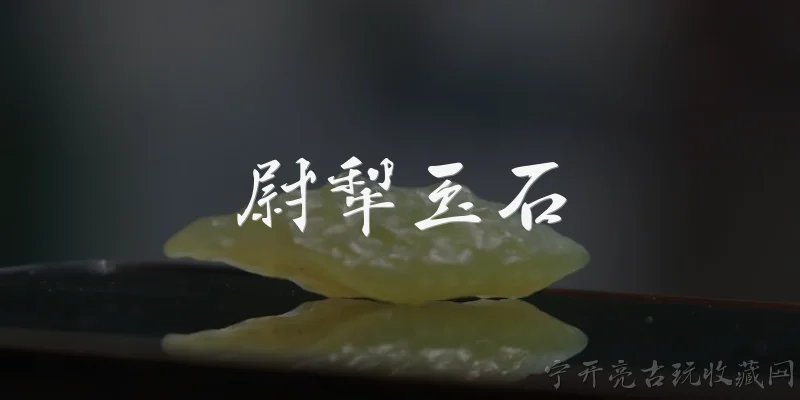
A: Yuli jade, often called 'Hualien jade' or Taiwan jade, is a type of nephrite jade found primarily in the Yuli Township of Hualien County, Taiwan. It formed through metamorphic processes where serpentinite interacted with surrounding rock, creating deposits of green nephrite along the Central Mountain Range. Yuli jade is prized for its colors, which range from deep green to pale green, sometimes with black or white inclusions. The region's geology, shaped by the collision of tectonic plates, produced jade of notable quality. Historically, Yuli was an important jade-producing area, especially during the 1970s and 1980s when Taiwan's jade industry thrived. Today, local artisans still craft jewelry and carvings from Yuli jade, and it remains a symbol of Hualien's natural heritage.
Q: What are the characteristics of Yuli jade that distinguish it from other jades?
A: Yuli jade is a nephrite jade, which distinguishes it from jadeite. Nephrite is composed mainly of tremolite-actinolite minerals, giving it a fibrous, interlocking structure that makes it tough and resistant to breakage. Yuli jade typically displays a green color palette, from dark spinach green to lighter apple green, and may show black spots from graphite or chromite inclusions. Its luster is greasy to waxy, and it takes a high polish. Compared to jadeite, Yuli nephrite is generally softer but more durable due to its fibrous texture. Local collectors value pieces with even color and translucency. The specific geological conditions in Yuli produced jade with distinctive textures, sometimes featuring 'cat's eye' effects or mottled patterns that make it recognizable to experienced gemologists and carvers.
Q: What is the history of Yuli jade mining and its cultural significance?
A: Yuli jade mining gained prominence in the mid-20th century, particularly after the 1960s when demand for jade increased. During the 1970s and 1980s, Hualien became a major jade processing and export center, with Yuli jade crafted into jewelry, ornaments, and sculptures sold internationally. The industry declined in the 1990s due to competition from other jade sources and changing markets. Culturally, jade has deep roots in Chinese tradition, symbolizing purity, longevity, and moral virtue. In Taiwan, Yuli jade became a local treasure, incorporated into indigenous Amis and other communities' craft traditions and modern Taiwanese jewelry design. Today, Yuli jade represents Hualien's geological heritage and is featured in local museums and artisan workshops, preserving the region's mining history and craftsmanship for future generations.
Q: How can one identify and care for Yuli jade?
A: Identifying Yuli jade involves examining its color, luster, and texture. Genuine Yuli nephrite has a greasy luster, a fibrous internal structure visible under magnification, and a hardness of about 6 to 6.5 on the Mohs scale. It is often confused with serpentine or dyed stones, so professional gemological testing, such as refractive index or specific gravity checks, is recommended for valuable pieces. To care for Yuli jade, avoid exposure to harsh chemicals, extreme heat, and prolonged sunlight, which can fade colors. Clean it with mild soap and water using a soft cloth, and store it separately to prevent scratches. Regular handling can maintain its natural luster, as the stone absorbs slight amounts of skin oils. Proper care ensures Yuli jade jewelry and carvings retain their beauty and value over time.
Words of experience
Common scenarios of "Yuli jade"
【Customer】 Hi, I'm looking for a piece of Yuli jade. I've heard it's quite special. Can you tell me what makes it different from other jade?
【Jade Expert】 Welcome! Yuli jade is indeed distinctive. It's a type of nephrite jade primarily found in the Yuli region of Hualien, Taiwan. What sets it apart is its unique color range—often a rich green with black spots or veins, and sometimes a cat's eye effect. Its texture is very dense and smooth.
【Customer】 That sounds interesting. Is Yuli jade rare? I've heard it's becoming harder to find.
【Jade Expert】 Yes, it's quite rare. The main source, the Fengtian mine in Hualien, has been closed for decades. Most Yuli jade on the market today comes from old collections or limited remaining deposits. That's why high-quality pieces are highly sought after by collectors.
【Customer】 I see. So how can I tell if a piece is genuine Yuli jade? Are there common fakes?
【Jade Expert】 Good question. Genuine Yuli jade has a specific gravity around 2.95-3.05 and a Mohs hardness of 6-6.5. It often shows a fibrous structure under magnification. Common fakes include serpentine or dyed green stones. A reputable certificate from a gemological lab is essential. Also, the black spots in Yuli jade are typically graphite or spinel, which can be a distinguishing feature.
【Customer】 What about the cat's eye effect? I've seen some Yuli jade with that. Is it valuable?
【Jade Expert】 Yes, the cat's eye effect, caused by parallel fibrous inclusions, is highly prized. Pieces with a clear, sharp cat's eye are much more valuable. However, only a small percentage of Yuli jade exhibits this effect, so it's a premium feature.
【Customer】 I'm thinking of buying a pendant. What should I look for in terms of quality?
【Jade Expert】 For a pendant, focus on color, transparency, and texture. Top-quality Yuli jade has a deep, even green color, high translucency, and a fine, oily luster. Avoid pieces with too many cracks or dull spots. Also, check the carving—smooth, detailed work adds value.
【Customer】 Does the color vary a lot? I've seen both light and dark green pieces.
【Jade Expert】 Absolutely. Yuli jade ranges from light apple green to deep forest green, and even yellowish-green. Darker, more saturated greens are generally more valuable, but personal preference matters. Some collectors also seek the rare 'black cat' variety, which is mostly black with green patches.
【Customer】 What about the price range? I don't want to get ripped off.
【Jade Expert】 Prices vary widely. A small, low-quality pendant might be a few hundred USD, while a high-quality piece with cat's eye can be thousands. For a decent quality pendant, expect to pay around $500-$2000. Always buy from a trusted dealer and ask for a certificate.
【Customer】 Is Yuli jade suitable for everyday wear? I worry about scratching it.
【Jade Expert】 Yuli jade is quite durable with a hardness of 6-6.5, so it's fine for everyday wear, but avoid rough impacts. Clean it with mild soap and water, and store it separately to prevent scratches. It's a great choice for jewelry.
【Customer】 I've also heard about 'Taiwan jade'—is that the same as Yuli jade?
【Jade Expert】 Yes, Taiwan jade is another name for Yuli jade, as it's the primary nephrite jade from Taiwan. Sometimes it's also called 'Hualien jade' after the region. They all refer to the same material.
【Customer】 Are there any ethical concerns with buying Yuli jade, since the mine is closed?
【Jade Expert】 That's a thoughtful question. Since the mine is closed, most material is recycled or from old stock, so environmental impact is minimal. However, ensure the seller has legal provenance. Avoid pieces that might come from illegal mining or theft.
【Customer】 What about the history of Yuli jade? Is it culturally significant?
【Jade Expert】 Yes, Yuli jade has been used by Taiwan's indigenous peoples for centuries, especially the Amis and Atayal tribes, for tools and ornaments. In modern times, it gained international fame in the 1960s-70s. It's a symbol of Taiwan's natural heritage.
【Customer】 I'm interested in a ring. Is Yuli jade suitable for rings? I've heard it might be too soft.
【Jade Expert】 Yuli jade can be used for rings, but it's softer than quartz or diamond, so it may scratch over time. If you choose a ring, opt for a bezel setting to protect the edges, and avoid wearing it during heavy activities. Pendants and earrings are safer choices.
【Customer】 Can you recommend a reliable place to buy Yuli jade online?
【Jade Expert】 I'd suggest looking at established Taiwanese gem dealers with physical stores, or auction houses specializing in Asian art. Avoid unknown sellers on social media. Always request a certificate from a lab like the Gemological Institute of America (GIA) or Taiwan's gemological associations.
【Customer】 What if I want a custom piece? Is that possible with Yuli jade?
【Jade Expert】 Yes, many artisans in Hualien offer custom carving. You can choose a rough stone and have it shaped into a pendant or sculpture. It's a great way to get a unique piece, but be prepared for higher costs and longer wait times.
【Customer】 How do I care for Yuli jade to keep it looking its best?
【Jade Expert】 Keep it away from harsh chemicals and extreme heat. Clean with a soft cloth and mild soapy water, rinse well, and dry. Store it in a fabric-lined box. Occasionally, you can apply a tiny amount of mineral oil to maintain luster, but avoid over-oiling.
【Customer】 I think I have a good understanding now. Thanks for all the information!
【Jade Expert】 You're welcome! Yuli jade is a beautiful and fascinating stone. Take your time to find the right piece, and don't hesitate to ask if you have more questions. Happy hunting!