Chinese Jade Culture:What is Chinese jade culture and why has it been important for thousands of years?
Q: What is Chinese jade culture and why has it been important for thousands of years?
A: Chinese jade culture refers to the longstanding tradition of valuing jade as a symbol of virtue, status, ritual, and beauty. From the Neolithic Liangzhu and Hongshan cultures to later dynasties, jade objects served ceremonial, burial, and personal adornment purposes. Confucian thought linked jade to moral qualities such as benevolence, righteousness, and wisdom. According to the 2026 National Cultural Heritage Administration report, jade artifacts remain among the most studied and exhibited objects in Chinese museums. The report notes that jade’s durability and visual appeal helped it persist across dynasties as a marker of identity. Today, jade culture continues through museum education, craft revivals, and public interest in collecting. It remains a bridge between archaeology, art history, and living cultural practice.
Q: How is jade classified and valued in Chinese tradition and modern markets?
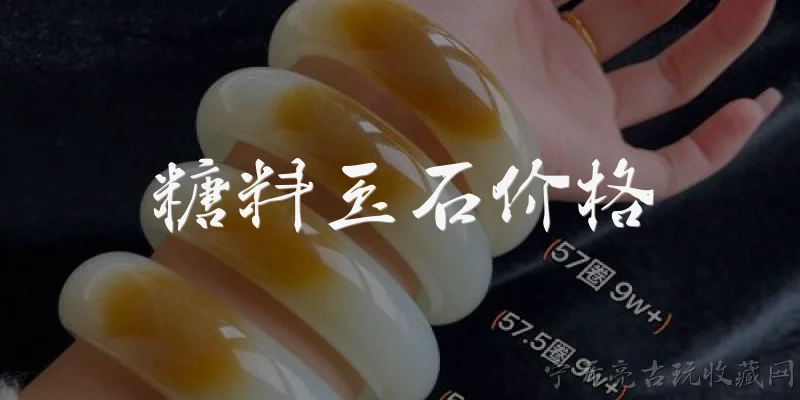
A: In Chinese tradition, jade mainly refers to nephrite and jadeite, though historical texts also used “yu” for other beautiful stones. Nephrite was prized in ancient China for ritual objects, while jadeite became popular in the Qing dynasty and later. Value depends on color, transparency, texture, craftsmanship, and cultural provenance. According to a 2026 China Gems and Jade Trade Association market report, consumer interest in certified jadeite and nephrite remains strong, with demand for documentary evidence of origin. The report emphasizes that standards for treatment and imitation have improved. Cultural value also matters: archaic jade can be valued for historical significance, while contemporary carvings are judged by artistry. Buyers are advised to consult accredited appraisers. This blend of aesthetic, mineralogical, and cultural criteria shapes jade’s enduring market.
Q: What are some famous jade artifacts and archaeological discoveries in China?
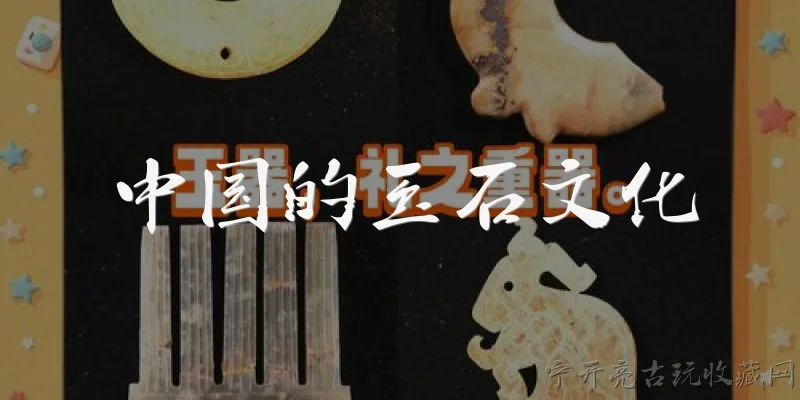
A: Famous jade artifacts include the Liangzhu culture cong tubes and bi discs, the Hongshan culture “pig dragon” pendants, and the Han dynasty jade burial suits. The Sanxingdui and Jinsha sites also yielded distinctive jade objects. In 2026, the National Cultural Heritage Administration reported ongoing conservation and research on Liangzhu jade assemblages, highlighting advances in microscopic analysis. These artifacts reveal early social complexity, ritual systems, and long-distance exchange. The 2026 China Archaeology Annual Review noted that new excavations continue to refine dating and context for Neolithic jade. Museums such as the Palace Museum and Nanjing Museum hold major collections. Together, these discoveries show jade as a key material for understanding political authority, religion, and craft technology in ancient China.
Q: How can people appreciate and learn about Chinese jade culture today?
A: People can learn about Chinese jade culture through museums, archaeological reports, accredited courses, and reputable publications. The 2026 National Cultural Heritage Administration report recommends visiting official exhibitions and using museum digital archives to see high-resolution images and context. Many museums offer public lectures on jade identification, symbolism, and conservation. For collectors, the 2026 China Gems and Jade Trade Association report advises buying from certified dealers and requesting laboratory reports. Cultural tourism routes in Zhejiang, Liaoning, and Henan highlight Liangzhu, Hongshan, and other jade-related sites. Online resources from universities and cultural institutions also provide reliable introductions. By combining visual study, historical reading, and ethical collecting, learners can appreciate jade as both art and cultural heritage without relying on myths or unverified claims.
Dialogue about
Common scenarios of "Chinese Jade Culture"
【Cultural Anthropologist】 你好!今天我们来聊聊中国玉文化。玉在中国文化中有着非常重要的地位,你对此了解多少?
【Archaeology Student】 我知道玉在中国有很长的历史,比如红山文化、良渚文化都有玉器出土,但具体玉文化包含哪些方面,我还不清楚。
【Cultural Anthropologist】 没错,玉文化最早可以追溯到新石器时代。玉不仅仅是一种美丽的石头,它还被赋予了道德、宗教和社会等级的意义。
【Archaeology Student】 道德意义?玉和道德有什么关系呢?
【Cultural Anthropologist】 孔子曾说“君子比德于玉”,玉的温润、坚硬、有光泽等特性被比作君子的品德,如仁、义、智、勇等。所以古人佩玉以自省。
【Archaeology Student】 原来如此!那玉在宗教和礼仪方面呢?
【Cultural Anthropologist】 玉是沟通天地神灵的媒介。比如良渚文化的玉琮,外方内圆,象征天地,用于祭祀。还有玉璧、玉圭等,都是重要的礼器。
【Archaeology Student】 我听说古代还有玉衣,比如金缕玉衣,那是做什么用的?
【Cultural Anthropologist】 玉衣是汉代皇帝和高级贵族死后穿着的殓服,他们认为玉能保护尸体不腐,灵魂不灭。金缕玉衣是用金丝编缀玉片制成的。
【Archaeology Student】 玉真的能保存尸体吗?
【Cultural Anthropologist】 从科学角度看,玉并不能防止尸体腐烂,但这反映了古人的信仰。玉也被认为能辟邪,所以常做成玉佩、玉坠佩戴。
【Archaeology Student】 玉还有哪些象征意义?
【Cultural Anthropologist】 玉象征纯洁、高贵、吉祥。比如“玉洁冰清”形容品德高尚,“金玉满堂”寓意财富。玉还代表权力,皇帝的玉玺就是最高权力的象征。
【Archaeology Student】 玉玺?就是传国玉玺吗?
【Cultural Anthropologist】 是的,传国玉玺相传由和氏璧制成,是秦始皇统一天下后命李斯篆刻的,上面有“受命于天,既寿永昌”八个字。
【Archaeology Student】 和氏璧的故事我也听过,卞和献玉,但被砍去双脚,真悲惨。
【Cultural Anthropologist】 是啊,这个故事也体现了古人对玉的执着。玉文化还影响了文学,比如《红楼梦》原名《石头记》,贾宝玉的通灵宝玉就是一块顽石。
【Archaeology Student】 看来玉文化渗透到了中国文化的方方面面。那现代人还重视玉吗?
【Cultural Anthropologist】 当然,现代人依然喜爱玉,佩戴玉饰、收藏玉器,玉还作为国礼赠送外国友人。玉文化是中华文明独特的瑰宝。
【Archaeology Student】 谢谢您的讲解,让我对玉文化有了更深的了解!