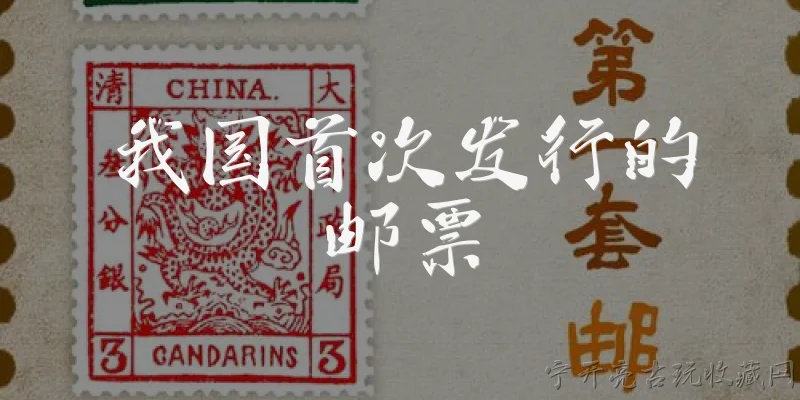
Stamp artwork definition:What is the definition of stamp artwork in the context of philately?
Q: What is the definition of stamp artwork in the context of philately?
A: In philately, stamp artwork refers to the original design or illustration created for a postage stamp before it is printed. This can include hand-drawn sketches, paintings, or digital designs that serve as the basis for the final stamp image. The artwork is typically produced by an artist commissioned by a postal authority and may undergo several revisions. It captures the intended theme, such as historical figures, landmarks, or cultural symbols. Collectors value stamp artwork because it represents the creative process behind a stamp, often offering a unique glimpse into the design stage. Unlike the final printed stamp, original artwork is usually one-of-a-kind and can be exhibited or auctioned as a piece of philatelic art.
Q: How does stamp artwork differ from the final printed stamp?
A: Stamp artwork differs from the final printed stamp in several key ways. First, artwork is typically larger than the actual stamp, as it is created at a scale that allows for fine detail before reduction. Second, it often includes elements that are omitted in the final print, such as pencil guidelines, color notes, or artist signatures. Third, the printing process introduces technical features like perforations, engraving lines, or color separations that are not present in the original artwork. Additionally, stamp artwork may be created using traditional media like watercolor or ink, while the printed stamp is produced via offset, gravure, or other industrial methods. Collectors prize artwork for its uniqueness and artistic merit, whereas printed stamps are valued for their rarity, condition, and postal history.
Q: Why is stamp artwork important to collectors and historians?
A: Stamp artwork is important to collectors and historians because it provides insight into the creative and political processes behind postal emissions. For collectors, original artwork offers a tangible connection to the artist's vision and the stamp's development, often making it a centerpiece in exhibitions. Historians study stamp artwork to understand how nations project identity, commemorate events, or propagate messages through postal imagery. It can also reveal changes in design trends, printing technologies, and even censorship. Moreover, artwork sometimes survives when other records are lost, serving as a primary source for dating and attributing stamps. In auctions, high-quality stamp artwork can fetch significant sums, reflecting its status as both philatelic treasure and fine art. Thus, it bridges postal history, art history, and collecting.
Q: What are some common types of stamp artwork?
A: Common types of stamp artwork include original drawings, paintings, and sketches made by the stamp designer. These may be preliminary roughs, detailed essays (trial designs), or finished artworks ready for engraving. Another type is the model or mock-up, which shows the stamp's layout with annotations. Digital artwork has become prevalent, created using graphic software. There are also composite artworks, where multiple elements are combined, and engraved die proofs, which are prints taken from the original engraved plate before final production. Some postal authorities issue artist-signed prints or limited-edition reproductions of the artwork. Each type varies in rarity and value, with original hand-drawn pieces generally being the most sought after by collectors and institutions.
Words of experience
Common scenarios of "Stamp artwork definition"
【Interviewer】 Welcome to the show. Today we're exploring the concept of stamp artwork. Can you start by defining what stamp artwork is?
【Stamp Artist】 Thanks for having me. Stamp artwork, in its essence, refers to any artistic creation that utilizes postage stamps as a medium or primary element. This can include modifying stamps, creating collages, or designing original stamps.
【Interviewer】 That's interesting. So it's not just about the design printed on a stamp, but also how artists repurpose them?
【Stamp Artist】 Exactly. There are two main branches: one is the art of designing the stamp itself, which involves engraving, lithography, and other printing techniques. The other is using existing stamps as raw material for new artworks.
【Interviewer】 Can you give an example of the latter?
【Stamp Artist】 Sure. Artists like the late Robert Rauschenberg incorporated stamps into his combines. More recently, many contemporary artists create intricate collages by cutting and layering stamps to form new images.
【Interviewer】 So stamp artwork can be both a collectible and a piece of fine art. How do you differentiate between a stamp that is art and a stamp that is used in art?
【Stamp Artist】 Good question. A stamp that is art is designed with artistic intent, often issued by postal authorities and collected for its aesthetic value. A stamp used in art is a component of a larger piece, where the artist's vision transforms its original purpose.
【Interviewer】 Does the definition vary across cultures?
【Stamp Artist】 Yes, in some cultures, stamp art is closely tied to national identity and history, like in France or Japan. In others, it's more about personal expression and experimentation, as seen in many Western contemporary art scenes.
【Interviewer】 What about digital stamps? Do they fall under this definition?
【Stamp Artist】 Digital stamps are a newer frontier. They can be digital artworks that mimic stamps or actual digital postage. I'd argue they are a subset, as they share the conceptual framework but lack the physicality of traditional stamps.
【Interviewer】 So the physicality is key?
【Stamp Artist】 Not necessarily key, but it's a significant aspect. The tactile nature of stamps, their perforations, the ink, the history—these elements add layers of meaning that digital versions often lack.
【Interviewer】 How do you see the future of stamp artwork?
【Stamp Artist】 I think it will continue to evolve. With digital printing and blockchain, we might see stamps that are both physical and digital, like NFTs. But the core idea of using stamps as a medium for art will persist.
【Interviewer】 Any advice for aspiring stamp artists?
【Stamp Artist】 Study the classics, experiment with different techniques, and don't be afraid to destroy stamps to create something new. The best stamp art often comes from a deep respect for the medium.
【Interviewer】 Thank you for sharing your insights. It's clear that stamp artwork is a rich and diverse field.
【Stamp Artist】 My pleasure. It's a fascinating world that blends history, art, and craft.