
Qing Dynasty One Cash Copper Coin without Hole:What is a Qing Dynasty One Cash copper coin without a hole?
Q: What is a Qing Dynasty One Cash copper coin without a hole?
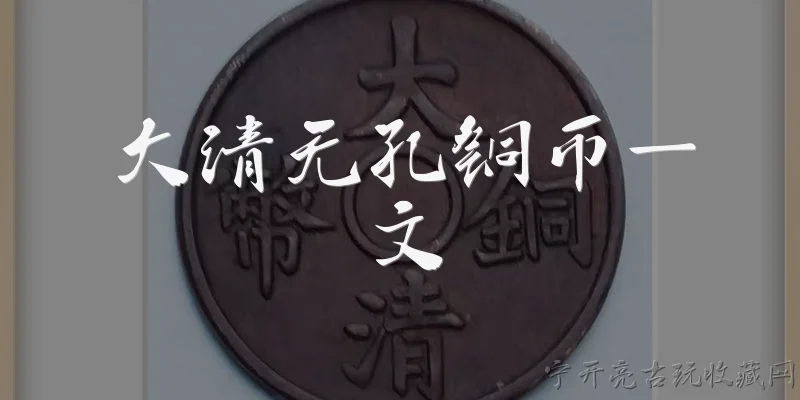
A: A Qing Dynasty One Cash copper coin without a hole refers to a machine-struck coin produced during the late Qing period, typically from the 1900s to 1911. Unlike traditional cash coins that were cast with a square central hole, these coins were minted using modern Western machinery, resulting in a solid, holeless design. They usually feature a dragon motif on the obverse and Chinese characters indicating the reign title and denomination on the reverse. These coins marked a significant shift in Chinese currency, as the government sought to modernize and standardize coinage to combat widespread counterfeiting and economic instability.
Q: Which Qing Dynasty emperors issued One Cash copper coins without holes?
A: The primary emperors associated with One Cash copper coins without holes are Guangxu (r. 1875–1908) and Xuantong (r. 1908–1912). During Guangxu's reign, provincial mints began experimenting with machine-struck coinage, producing holeless one-cash pieces alongside traditional cast coins. Under Xuantong, the central government issued standardized copper coins without holes as part of broader currency reforms. These coins often bear the emperor's reign title, and some include English inscriptions indicating the denomination or mint. The production of holeless coins declined after the fall of the Qing Dynasty in 1912, but they remained in circulation briefly during the early Republic period.
Q: What are the design features of a Qing Dynasty One Cash copper coin without a hole?
A: The design of a Qing Dynasty One Cash copper coin without a hole typically features a front (obverse) with a central dragon motif, symbolizing imperial power, surrounded by Chinese characters such as the reign title. The back (reverse) usually displays the denomination 'One Cash' in Chinese, sometimes with Manchu script or English text indicating the mint. The coin lacks the central square hole found on earlier cast coins, giving it a solid appearance. Edge designs may include reeding or plain surfaces. These elements reflect a blend of traditional Chinese symbolism and modern minting techniques, distinguishing them from older currency.
Q: Why were Qing Dynasty One Cash copper coins made without holes?
A: Qing Dynasty One Cash copper coins were made without holes primarily due to the adoption of modern minting technology from the West. Traditional Chinese cash coins were cast with a square hole to allow them to be strung together for easy carrying and counting. However, machine-struck coins from Europe and Japan demonstrated superior durability and resistance to counterfeiting. In the late Qing era, reformers advocated for currency modernization to stabilize the economy. The holeless design resulted from the striking process, which did not require a central hole, and it helped streamline production. This shift marked China's transition from ancient casting methods to modern coinage systems.
Q: What is the collectible value of a Qing Dynasty One Cash copper coin without a hole?
A: The collectible value of a Qing Dynasty One Cash copper coin without a hole varies widely based on rarity, condition, and mint. Common examples from provincial mints might sell for $10 to $50, while rare varieties from central mints or with errors can fetch hundreds or thousands of dollars at auctions. Coins in uncirculated condition with original luster command higher prices. Factors like historical significance, die variety, and provenance also influence value. Collectors often seek these coins for their role in China's numismatic transition. It is advisable to have coins authenticated by experts, as counterfeits exist, especially for key dates.
Words of experience
Common scenarios of "Qing Dynasty One Cash Copper Coin without Hole"
【Coin Collector】 Hey, I recently acquired a Qing Dynasty one cash copper coin without a hole. I'm curious about its history. Can you tell me more?
【Numismatist】 Absolutely! The Qing Dynasty one cash copper coin without a hole is an interesting piece. It was minted during the late Qing period, specifically during the reign of Emperor Xuantong (1909-1912). Unlike traditional cash coins with square holes, these were machine-struck and had no hole.
【Coin Collector】 Why did they decide to remove the hole? Was it just for aesthetics?
【Numismatist】 Not just aesthetics. The shift to holeless coins was part of modernization efforts. Machine-struck coins were more uniform and harder to counterfeit. The hole was also unnecessary because stringing coins together became less common with the advent of modern banking.
【Coin Collector】 I see. So these were among the first machine-struck coins in China?
【Numismatist】 Yes, they were part of China's early mechanized coinage. The central government and some provincial mints started producing them. They were made of copper, sometimes with a small amount of tin or lead, and had a standardized weight and design.
【Coin Collector】 What's the typical design on these coins?
【Numismatist】 The obverse usually features Chinese characters like 'Xuantong Tongbao' or 'Da Qing Tongbi', indicating the era and denomination. The reverse often has a dragon motif, which was a symbol of imperial power, along with English inscriptions indicating the mint and value.
【Coin Collector】 That's fascinating. Are there different varieties I should look out for?
【Numismatist】 Definitely. There are varieties from different mints, such as Guangdong, Hubei, and Jiangnan. Some have different dragon designs, and the inscriptions can vary. Rarity depends on the mint, year, and condition. For example, coins from certain provincial mints are scarcer.
【Coin Collector】 How can I tell if mine is authentic? I've heard there are many fakes.
【Numismatist】 Good question. Authentic ones have sharp details, correct weight (usually around 2-3 grams), and the right metal composition. Fakes often have blurry details, wrong weight, or are made of wrong alloys. You can also check for die markers and compare with reference books or online databases.
【Coin Collector】 What's the current market value for a common one in fine condition?
【Numismatist】 Common varieties in fine condition can range from $10 to $50, while rare ones can fetch hundreds or even thousands. Condition is key: uncirculated pieces with original luster are highly sought after. But always do research before buying or selling.
【Coin Collector】 Thanks! I'll have my coin authenticated. Any recommended resources?
【Numismatist】 You're welcome. Check out 'The Standard Catalog of World Coins' by Krause, or join online forums like CoinCommunity. Also, local coin clubs can offer expert opinions. Happy collecting!
【Coin Collector】 I appreciate the advice. One last thing: were these coins used alongside the traditional holey cash?
【Numismatist】 Yes, for a while both circulated. The transition was gradual. Holey cash continued in some regions, but the new coins gained popularity in urban areas. By the end of the Qing Dynasty, machine-struck coins became the norm.
【Coin Collector】 That makes sense. Thanks again for all the info!
【Numismatist】 My pleasure! Enjoy your collecting journey.