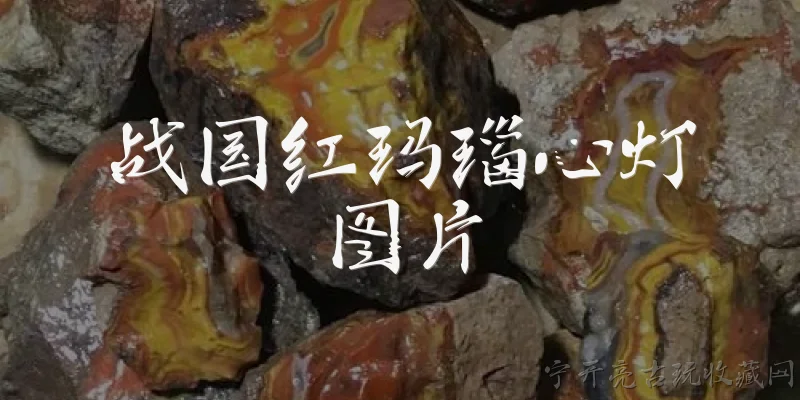
What is inside agate stones:What exactly is inside an agate stone?
Q: What exactly is inside an agate stone?
A: Inside an agate stone, you'll typically find a combination of microcrystalline quartz (chalcedony) and various mineral impurities that create its distinctive banding. The interior often contains concentric layers of different colors, formed by successive deposits of silica-rich water into a cavity. You might also find crystalline quartz or amethyst in the center, along with iron oxides, manganese, or other trace elements that give agates their hues. Some agates contain water bubbles or tiny air pockets trapped during formation. Essentially, agate is a nodule or geode filled with layered chalcedony, often with a hollow or crystalline core.
Q: Are there crystals inside agate stones?
A: Yes, many agate stones contain crystals inside, especially in their central cavities. While the outer banded layers are made of chalcedony (microcrystalline quartz), the innermost part can host well-formed macro-crystalline quartz, amethyst, citrine, or even zeolites. These crystals grow when silica-rich fluids deposit slowly into an open space, allowing larger crystal faces to develop. Agates that are completely solid may only have microcrystalline quartz throughout, but those with a hollow center—often called geodes—frequently contain visible crystals. So, depending on the specific agate, you might find sparkling quartz points or drusy coatings inside.
Q: Why do agate stones have different colors inside?
A: The different colors inside agate stones come from trace mineral impurities that are incorporated during the layering process. For example, iron oxides can produce red, brown, or yellow bands; manganese gives pink, purple, or black; and chlorite or celadonite can create green hues. The alternating colors often reflect changes in the chemical composition of the silica-rich water over time. Additionally, the porosity of the chalcedony layers allows later mineral solutions to seep in and stain or replace the silica, further enhancing color variations. Thus, each agate's internal palette is a record of its geological environment and the elements present during formation.
Q: Can you find water inside agate stones?
A: Yes, some agate stones—particularly those known as enhydros or water agates—can contain trapped water inside. This water is ancient, often dating back millions of years, and was sealed within the cavity when the agate formed. It is typically visible as a bubble that moves when you tilt the stone. The water is usually rich in silica and other dissolved minerals, but it remains liquid because the cavity is completely enclosed. Enhydros are rare and highly prized by collectors. So, while not all agates contain water, those that do offer a fascinating glimpse into ancient underground fluids.
Q: What is the difference between the inside of a geode and an agate?
A: The main difference lies in their internal structure. A geode is a hollow rock with a crystalline lining—usually quartz, amethyst, or calcite—growing inward from the outer shell. An agate, on the other hand, is typically a solid nodule filled with concentric layers of chalcedony, though some agates may have a small crystal-lined center. In other words, agates are defined by their banded, fibrous microcrystalline quartz interior, while geodes are defined by their open cavity and visible crystals. However, the two can overlap: an agate can have a geode-like center, and a geode can have agate bands around its crystal lining.
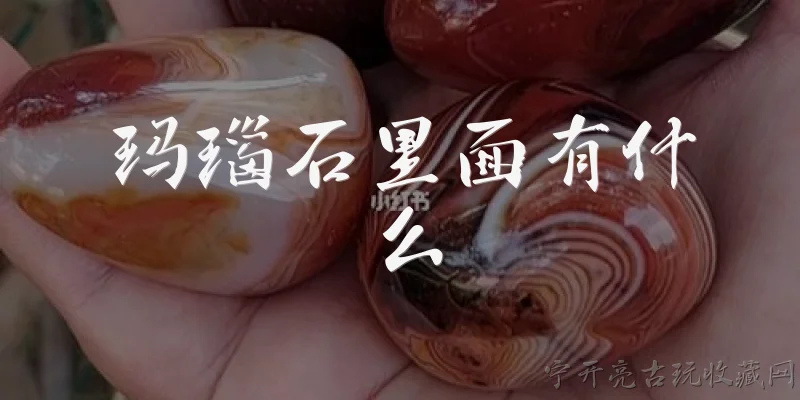
Words of experience
Common scenarios of "What is inside agate stones"
【Curious Kid】 Hey, what's inside agate stones?
【Geologist】 Agates are mostly made of silica, the same mineral as quartz. But they have beautiful banded patterns inside.
【Curious Kid】 So it's just silica? No other stuff?
【Geologist】 Well, they often contain trace amounts of other minerals like iron or manganese, which give them different colors.
【Curious Kid】 How do the bands form?
【Geologist】 They form when silica-rich water fills cavities in rocks, and over time, layers of silica deposit, creating those bands.
【Curious Kid】 So it's like layered candy?
【Geologist】 Exactly! But instead of sugar, it's microscopic crystals of quartz.
【Curious Kid】 Are there any other things inside, like water or air?
【Geologist】 Sometimes, agates can contain tiny bubbles of water or gas trapped during formation. But mostly, it's solid silica.
【Curious Kid】 Can you find fossils inside agate?
【Geologist】 Rarely, but yes. Sometimes agate replaces organic material like wood or shells, preserving their shape.
【Curious Kid】 That's cool! So agate is like a time capsule?
【Geologist】 Absolutely! Each agate tells a story of its formation environment.
【Curious Kid】 What's the most common color inside?
【Geologist】 It varies, but often you see white, gray, blue, red, and brown bands.
【Curious Kid】 Why are some agates hollow?
【Geologist】 If the silica deposition doesn't fill the cavity completely, you get a hollow center, sometimes lined with crystals.
【Curious Kid】 So inside could be sparkling crystals?
【Geologist】 Yes, like amethyst or quartz crystals. That's why agates are so prized by collectors.