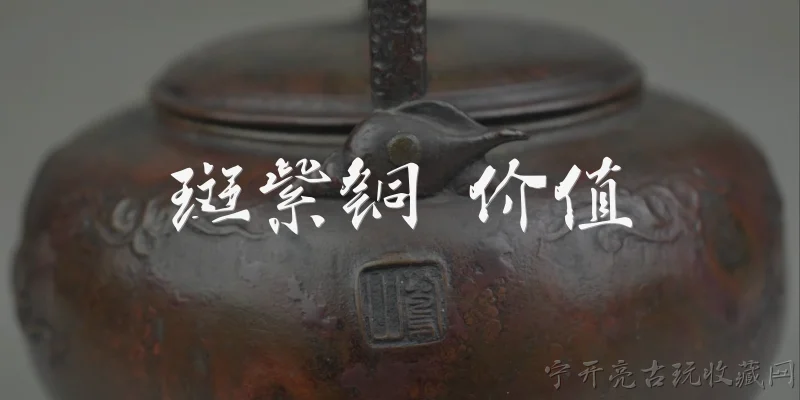
Patinated copper value:What is patinated copper and why does it have value?
Q: What is patinated copper and why does it have value?
A: Patinated copper refers to copper that has developed a surface layer of copper compounds—such as copper carbonate, sulfate, or chloride—through natural or accelerated oxidation. This green or blue-green film is commonly seen on old roofs, statues, and architectural elements. Its value stems from several factors. First, the patina acts as a protective barrier, slowing further corrosion and extending the metal's lifespan. Second, it provides a unique aesthetic that many find attractive, especially in art, antiques, and architectural restoration. Third, natural patination takes years or decades, so well-patinated copper pieces are rarer and often command higher prices in the antiques market. Additionally, patinated copper is valued in contemporary design for its weathered, organic look, used in jewelry, sculptures, and high-end fixtures. The value, however, depends on the uniformity, color, and stability of the patina, as well as the underlying copper's condition and historical significance.
Q: How does the presence of patina affect the market value of copper items?
A: The presence of patina can significantly increase or decrease the market value of copper items, depending on context. For antique copper objects—such as vintage weathervanes, pots, or sculptures—a natural, well-established patina often enhances value because it signals age, authenticity, and minimal restoration. Collectors may pay a premium for a uniform, deep green or blue-green patina. However, in industrial or scrap copper markets, patina is generally considered a contaminant; scrap yards pay less for oxidized copper because it requires refining to recover pure metal. In architectural salvage, patinated copper sheets or shingles can be more valuable than new copper due to their weathered appearance and historical character. For jewelry and art, artists may intentionally patinate copper to create unique colors, and such pieces can sell for higher prices than untreated ones. Ultimately, the key factors are the item's intended use, the patina's quality, and buyer preferences: patina adds value in decorative and historical contexts but reduces value in purely utilitarian or recycling contexts.
Q: Can patinated copper be restored, and does restoration affect its value?
A: Yes, patinated copper can be restored, but the process is delicate and its impact on value varies. Restoration typically involves cleaning to remove the patina, followed by re-patination using chemical solutions or natural exposure. However, aggressive cleaning can strip away the protective layer and even damage the underlying copper, reducing both aesthetic and monetary value. In the antiques world, restoring patina is often frowned upon because it erases evidence of age and authenticity; original patina is highly prized. For architectural copper, professionals may use mild cleaning and then allow natural re-patination, which can be acceptable if done carefully. In some cases, collectors prefer a lightly cleaned surface that reveals details but retains some patina. Conversely, for scrap copper, removing patina increases value by yielding purer metal. So, whether restoration adds or subtracts value depends on the item: a rare antique with original patina should typically be left untouched, while a common copper object might benefit from careful cleaning to appeal to a broader market. Always consult a conservator before attempting restoration.
Words of experience
Common scenarios of "Patinated copper value"
【Collector】 Hey, I heard you're into antiques. I just picked up this beautiful patinated copper vase. Any idea what it might be worth?
【Appraiser】 Patinated copper can be quite valuable, but it depends on several factors. Can you tell me more about its age, origin, and condition?
【Collector】 It's supposedly from the late 19th century, Japanese Meiji period. The patina is a deep green, almost turquoise. There's a small dent on the base, but otherwise it's in great shape.
【Appraiser】 Meiji period copper with a nice patina can fetch a good price. The dent might lower it a bit, but the patina adds character. Do you have any provenance or maker's marks?
【Collector】 There's a signature on the bottom, but I can't read it. It looks like Japanese characters. I bought it at an estate sale, so no paperwork.
【Appraiser】 Without provenance, it's harder to authenticate. But if the signature is from a known artist, value could be in the thousands. Otherwise, maybe a few hundred.
【Collector】 Thousands? That seems high. I thought patinated copper was just old and oxidized. Why would it be so valuable?
【Appraiser】 Well, patina is not just oxidation; it's a desired finish that develops over time. In Japanese metalwork, artists sometimes intentionally create patinas using chemicals. It's an art form.
【Collector】 I see. So the patina itself is a sign of craftsmanship? That makes sense. How can I find out more about the artist?
【Appraiser】 You could consult a specialist in Japanese metalwork or send photos to an auction house. They can translate the signature and give you a better estimate.
【Collector】 I'll do that. But meanwhile, is there a market for patinated copper in general? Like, for non-Japanese pieces?
【Appraiser】 Absolutely. Art Deco copper items, for example, are popular. Also, contemporary artists use patinated copper in sculptures. The value depends on aesthetics, rarity, and demand.
【Collector】 What about cleaning? Should I remove the patina to make it shiny? I've heard some people prefer that.
【Appraiser】 No, definitely not! Cleaning patina can drastically reduce value. Collectors pay a premium for original patina. It shows authenticity and age.
【Collector】 Good to know. So the green patina on my vase is a plus. What if it were brown or black? Would that be less valuable?
【Appraiser】 Not necessarily. Different patinas have different appeals. Brown patina is common on antique European copper, while black patina might indicate a different alloy or treatment. It's all about context.
【Collector】 Context meaning the piece's history and style? I guess I should research Meiji copper more. Any recommended resources?
【Appraiser】 There are books on Japanese metalwork and online forums. Also, visiting museums with decorative arts collections can help train your eye.
【Collector】 Thanks. I'll start there. One last question: if I decide to sell, should I go through an auction or a dealer?
【Appraiser】 Both have pros and cons. Auctions can get higher prices but charge fees. Dealers offer quick cash but at wholesale. For a potentially valuable piece, an auction specializing in Asian art might be best.