Commemorative coin washing:What is commemorative coin washing?
Q: What is commemorative coin washing?
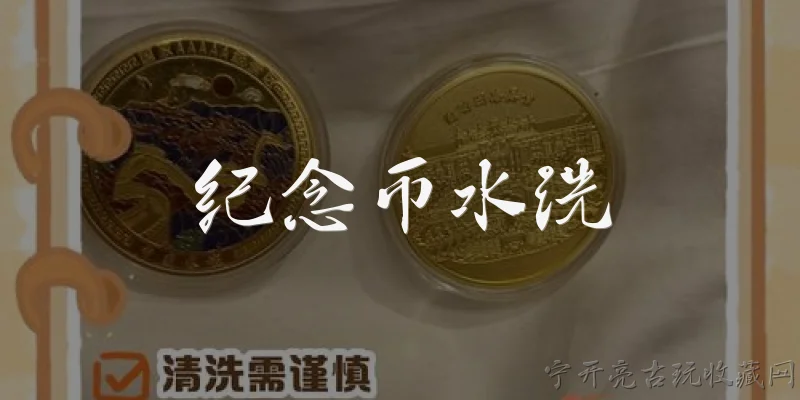
A: Commemorative coin washing refers to cleaning commemorative coins to remove dirt, tarnish, or residue. Collectors often debate whether to clean such coins, since improper cleaning can damage the coin's surface and reduce its numismatic value. Washing may involve distilled water, mild soap, or specialized coin cleaners. However, professional grading services generally advise against cleaning coins, as original surfaces are prized. Commemorative coins, often made of silver, copper-nickel, or gold, may develop toning that some collectors value. Washing should only be done carefully when dirt obscures details, and harsh chemicals or abrasive methods should be avoided to preserve the coin's integrity and appearance.
Q: Why is washing commemorative coins controversial among collectors?
A: Washing commemorative coins is controversial because cleaning can alter the coin's original surface, often leaving hairlines, dullness, or unnatural brightness. Collectors value original surfaces and natural toning, which indicate authenticity and careful handling. Improper washing can strip a thin layer of metal or remove patina, significantly lowering the coin's grade and market value. Professional grading services like PCGS and NGC may reject or detail-grade cleaned coins. While mild rinsing with distilled water may be acceptable for loose dirt, aggressive washing or chemical dips are widely discouraged. Thus, the debate centers on preserving originality versus removing unsightly contamination, with most experts advising against cleaning except in rare cases.
Q: What are safe methods for washing commemorative coins if absolutely necessary?
A: If washing is deemed necessary, use only distilled water and a mild, non-abrasive soap. Soak the coin briefly to loosen dirt, then rinse thoroughly with distilled water. Pat dry with a soft, lint-free cloth; never rub. Avoid tap water, acidic solutions, abrasive powders, and ultrasonic cleaners, as these can damage the surface. For valuable commemorative coins, consult a professional numismatist or conservation expert before any cleaning. Remember that even safe methods may not be recommended for high-grade coins, as any cleaning can reduce value. In most cases, leaving the coin as is remains the best practice for preserving its numismatic worth.
Q: How does washing affect the value of a commemorative coin?
A: Washing typically reduces the value of a commemorative coin, especially if it was originally in mint state or had attractive natural toning. Cleaning can create micro-scratches, alter the surface texture, and remove original mint luster, leading to a lower grade from grading services. Collectors often pay premiums for uncleaned, original-surfaced coins. A washed coin may be designated as 'cleaned' or 'improperly cleaned,' which can cut its market value by 30% to 50% or more. However, for heavily corroded or dirt-encrusted common commemorative coins, careful washing might improve eye appeal marginally, but the risk generally outweighs the benefit. Originality remains key to value.
Q: Are there alternatives to washing commemorative coins for improving their appearance?
A: Yes, several alternatives exist. First, simply hold the coin by its edges and examine it under proper lighting; many coins look better than they initially appear. Use a soft, dry microfiber cloth to gently remove loose dust without rubbing. For mild surface grime, a brief soak in distilled water followed by air-drying may suffice without mechanical action. Avoid commercial coin dips unless recommended by a professional conservator. Some collectors use acetone (pure, not nail polish remover) to remove organic residues, but this should be done cautiously in a well-ventilated area. Ultimately, preserving the coin's original surface is preferable to any cleaning, so consult experts before attempting any treatment.
Words of experience
Common scenarios of "Commemorative coin washing"
【Collector】 I've been hearing about 'coin washing' lately. Can you explain what that actually means in the context of commemorative coins?
【Dealer】 Sure. Coin washing is essentially a process where a coin is cleaned or treated to make it look shinier or more attractive, often to increase its perceived value. But in numismatics, 'washing' can also refer to artificially altering a coin's surface, like dipping it in acid to remove tarnish.
【Collector】 So it's different from just wiping a coin with a cloth?
【Dealer】 Very different. Wiping with a cloth can cause hairlines and scratches, which also reduce value. Washing or dipping is a chemical process that strips the original surface, sometimes leaving a unnatural brightness that collectors can detect.
【Collector】 Why would anyone do that if it damages the coin's value?
【Dealer】 Because to an untrained eye, a shiny coin looks better and might sell for more on the internet. But experienced collectors and grading services can spot a washed coin easily, and then it's worth less than an untouched one.
【Collector】 What are the signs that a commemorative coin has been washed?
【Dealer】 Look for unnatural brightness, especially in the fields, loss of original mint luster, and sometimes a slightly etched or porous surface under magnification. Also, the contrast between raised design and fields might be off.
【Collector】 Is washing always bad? What if a coin is heavily corroded?
【Dealer】 Even then, professionals prefer to leave it as is or use conservation methods that are reversible and non-abrasive. Washing with harsh chemicals can't be undone. For commemoratives, originality is key to value.
【Collector】 I've seen some coins on eBay that look too shiny for their age. Could those be washed?
【Dealer】 Absolutely. That's a common red flag. Always check the seller's reputation and ask for close-up photos under different lighting. If the luster looks flat or too uniform, be suspicious.
【Collector】 What about 'thumbing' or 'doctoring'? Are those related?
【Dealer】 Yes, they're all forms of coin doctoring. Thumbing is rubbing a coin with your thumb to create artificial toning, and washing is a chemical version. Both are considered unethical in the hobby.
【Collector】 Are there grading companies that will reject washed coins?
【Dealer】 Definitely. PCGS, NGC, and others will grade a washed coin as 'details' or 'cleaned' rather than giving it a numeric grade. That significantly lowers its market value.
【Collector】 So if I buy a raw commemorative, how can I protect myself?
【Dealer】 Buy from reputable dealers, learn to recognize original surfaces, and consider sending expensive coins to a grading service. Also, compare with certified examples of the same issue.
【Collector】 What's the best way to store commemorative coins to avoid needing washing later?
【Dealer】 Keep them in a cool, dry place, use inert holders like Mylar flips or capsules, and avoid touching the surfaces with bare fingers. Handle by the edges only.
【Collector】 I have a silver commemorative that's starting to tone. Should I clean it?
【Dealer】 No! Toning is often desirable and natural. Cleaning will strip the toning and reduce value. Leave it alone; if you must, consult a professional conservator.
【Collector】 Are there any commemorative coins where washing is more common?
【Dealer】 Silver commemoratives from the early 20th century are frequent targets, especially those with low mintages. Also, copper-nickel issues can be dipped to remove ugly spots, but that's equally damaging.
【Collector】 What about 'conservation' versus 'washing'? Is there a fine line?
【Dealer】 Good question. Conservation is done by professionals using non-destructive methods to stabilize a coin, like removing PVC residue. Washing is amateur and often alters the surface permanently. The intent and method differ.
【Collector】 Can a washed coin ever regain its value?
【Dealer】 Rarely. Once a coin is cleaned, it's forever marked. Some collectors might buy it at a discount, but it will never be considered original again. That's why education is so important.
【Collector】 I'll be more careful. Any final tips for a new collector?
【Dealer】 Buy the book before the coin. Read about grading and originality. Join a local coin club and ask questions. And remember, a shiny coin isn't always a better coin.