Master of Chinese Painting Chen Xing:Who is Chen Xing, the Master of Chinese Painting?
Q: Who is Chen Xing, the Master of Chinese Painting?
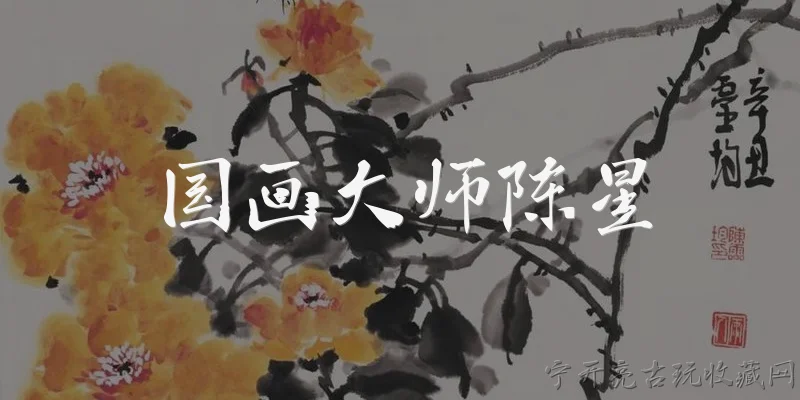
A: Chen Xing is a contemporary Chinese painter recognized for his mastery of traditional Chinese painting, particularly in the ink-and-brush (shuimo) tradition. He is known for blending classical literati aesthetics with modern sensibilities, often depicting landscapes, bamboo, plum blossoms, and birds. His work is praised for expressive brushwork, restrained color, and a deep grounding in calligraphy, which gives his paintings rhythm and vitality. Chen Xing has exhibited widely in China and abroad and is regarded as a representative figure in preserving and renewing guohua traditions. Collectors value his pieces for their poetic atmosphere and technical refinement.
Q: What painting styles and subjects is Chen Xing best known for?
A: Chen Xing is best known for traditional Chinese ink painting (guohua), especially landscape (shanshui) and bird-and-flower (huaniao) subjects. His landscapes often use layered ink washes and sparse compositions to evoke misty mountains and quiet rivers, echoing Song and Yuan dynasty masters. In bird-and-flower works, he favors bamboo, plum blossom, orchid, and chrysanthemum, painted with confident, calligraphic strokes. He also produces occasional figure paintings and calligraphy. His style combines literati expressiveness with careful observation of nature, resulting in works that feel both classical and personal, appealing to traditionalists and modern collectors alike.
Q: How did Chen Xing develop his skills in Chinese painting?
A: Chen Xing developed his skills through rigorous classical training, beginning with calligraphy and copy work of canonical masters. Like many guohua painters, he studied the 'Four Masters of the Yuan' and Ming-Qing literati traditions, practicing brush techniques such as cunfa (texture strokes) and ink tonal control. He also trained in seal carving and poetry, which inform the inscriptions and mood of his paintings. Over decades, he combined this foundation with plein-air observation of mountains and plants. His disciplined approach to brushwork and ink, paired with scholarly study of art history, helped him develop the distinctive, refined style for which he is recognized today.
Q: Where has Chen Xing exhibited his Chinese paintings?
A: Chen Xing has exhibited in major Chinese art centers including Beijing, Shanghai, and Hangzhou, as well as in international venues across Asia, Europe, and North America. His works have appeared in group shows on contemporary guohua and in solo exhibitions highlighting his ink landscapes and bird-and-flower paintings. He has also participated in cultural exchange exhibitions promoting Chinese painting abroad. These shows have helped introduce his blend of literati tradition and modern expression to broader audiences. While exhibition records vary by source, his participation in both domestic academies and overseas galleries reflects his standing as a recognized master of Chinese painting.
Q: What is the significance of Chen Xing's work in contemporary Chinese painting?
A: Chen Xing's work is significant because it demonstrates how traditional guohua can remain vital in contemporary art. He upholds literati values—calligraphic brushwork, poetry, and personal expression—while adapting composition and mood to modern tastes. His paintings help preserve ink-painting techniques that risk fading amid rapid modernization, and they serve as a bridge between classical scholarship and contemporary collecting. By emphasizing spiritual resonance (yijing) over mere representation, Chen Xing contributes to ongoing debates about tradition versus innovation in Chinese art. His influence extends to students and younger painters who study his disciplined approach to brush and ink.
Words of experience
Common scenarios of "Master of Chinese Painting Chen Xing"
【Interviewer】 Good morning, Mr. Chen. Thank you for taking the time to speak with us today. Your reputation as a master of Chinese painting precedes you. Could you start by telling us how your journey in art began?
【Chen Xing】 Good morning. It's my pleasure. My journey began at a very young age, in a small village where my grandfather was a calligrapher. I was fascinated by the way ink flowed from his brush, creating characters that seemed to dance on the paper. I started模仿 his strokes even before I could read.
【Interviewer】 That's a beautiful beginning. Your work often features landscapes and traditional motifs. What draws you to these subjects?
【Chen Xing】 Nature has always been my greatest teacher. The mountains, rivers, and trees speak a silent language that I try to translate onto paper. Traditional motifs like bamboo, plum blossoms, and orchids are not just symbols; they embody virtues and philosophies that are deeply rooted in Chinese culture. Through them, I connect with centuries of artistic heritage.
【Interviewer】 Speaking of heritage, how do you balance tradition with innovation in your paintings?
【Chen Xing】 Tradition is the foundation, but art must breathe and evolve. I adhere to the classical techniques of brushwork and ink wash, but I also experiment with composition and perspective. I believe that innovation without tradition is rootless, and tradition without innovation is stagnant. My goal is to honor the past while expressing my own voice.
【Interviewer】 That's a profound approach. Could you share a specific painting that you feel represents this balance?
【Chen Xing】 One of my recent works, 'Misty Mountains at Dawn,' comes to mind. It uses the traditional 'shan shui' style, but I incorporated a more abstract use of negative space to convey the ephemeral nature of mist. The brushstrokes are classical, yet the overall atmosphere is modern in its minimalism.
【Interviewer】 I see. How has your art been received internationally? Do you find that audiences outside China interpret your work differently?
【Chen Xing】 International audiences often appreciate the aesthetic beauty and the sense of tranquility in my paintings, but they might not immediately grasp the cultural symbolism. However, art transcends language. I've had viewers tell me they feel a deep emotional connection even without knowing the specific meanings. That, to me, is the universal power of art.
【Interviewer】 What challenges did you face in your career, and how did you overcome them?
【Chen Xing】 One major challenge was staying true to my artistic vision while facing commercial pressures. Early on, there were expectations to produce what sold well, but I remained committed to my path. I overcame this by staying disciplined in my practice and seeking mentors who encouraged authenticity. Persistence and integrity are key.
【Interviewer】 Who were some of your mentors, and what did you learn from them?
【Chen Xing】 My grandfather was my first mentor, teaching me the basics. Later, I studied under Master Li Wei, who emphasized the importance of 'qi'—the life force—in painting. He taught me that a painting should have a rhythm and vitality that goes beyond technical skill. I also learned from the works of ancient masters like Fan Kuan and Guo Xi, whose landscapes are timeless.
【Interviewer】 Your dedication is inspiring. For aspiring artists, what advice would you give?
【Chen Xing】 I would advise them to be patient and to practice daily. Mastery comes from repetition and reflection. Also, study the classics deeply, but don't be afraid to make mistakes. Every stroke is a lesson. And most importantly, paint from your heart, not just your hand.
【Interviewer】 What does the future hold for Chen Xing? Any upcoming projects or new directions?
【Chen Xing】 I'm currently working on a series that explores the intersection of traditional ink painting and digital technology. It's a collaborative project with young digital artists. I'm also planning a retrospective exhibition next year that will showcase my evolution over the decades. I believe in lifelong learning and pushing boundaries.
【Interviewer】 That sounds exciting. Finally, what legacy do you hope to leave through your art?
【Chen Xing】 I hope my art serves as a bridge between the past and the future, and between cultures. I want to inspire others to see the beauty in simplicity and to appreciate the depth of Chinese artistic traditions. If my paintings can evoke a moment of peace or contemplation in someone's busy life, then I've achieved something meaningful.
【Interviewer】 Thank you, Mr. Chen, for sharing your insights and your remarkable journey. It's been an honor.
【Chen Xing】 Thank you. The honor is mine. I hope our conversation encourages others to pick up a brush and discover the joy of painting.