Gilded Porcelain of the Forbidden City:What is the Gilded Porcelain of the Forbidden City?
Q: What is the Gilded Porcelain of the Forbidden City?
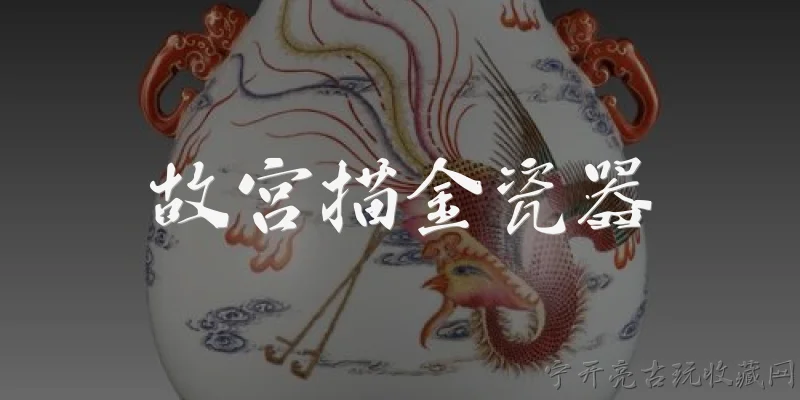
A: The Gilded Porcelain of the Forbidden City refers to a collection of exquisite porcelain wares adorned with gold, produced during the Ming and Qing dynasties for the imperial court. These pieces were crafted in the imperial kilns of Jingdezhen and then decorated with gold using techniques such as gilding, gold painting, and gold appliqué. They served as symbols of imperial wealth and power, often used in palaces for decoration or ritual purposes. The Forbidden City, now the Palace Museum in Beijing, houses a significant number of these treasures, which are admired for their intricate designs, vibrant colors, and historical significance. They represent the pinnacle of Chinese ceramic artistry and the opulence of imperial China.
Q: How were gilded porcelain wares used in the Forbidden City?
A: In the Forbidden City, gilded porcelain wares were primarily used by the imperial family for daily life, ceremonies, and decorative purposes. They were placed in halls, studies, and private chambers, and some were used during banquets and religious rituals. The gold decoration not only enhanced their beauty but also symbolized the emperor's divine right and supreme status. These wares were often part of imperial gifts or tributes, and many were stored in the palace treasury. Today, they are displayed in the Palace Museum, offering insight into the luxurious lifestyle of the Qing court and the sophisticated craftsmanship of the period.
Q: What techniques were used to create gilded porcelain in the Forbidden City?
A: The creation of gilded porcelain in the Forbidden City involved several meticulous techniques. First, high-quality porcelain was fired in Jingdezhen kilns. Then, gold was applied using methods like gold leaf gilding, where thin gold leaves were adhered to the surface; gold painting, where gold powder was mixed with a medium and painted on; and gold appliqué, where gold foil was cut into shapes and attached. After application, the piece was fired again at a lower temperature to fuse the gold. Some pieces also featured overglaze enamels combined with gold. These techniques required great skill, as gold had to be applied evenly and fired precisely to achieve a durable, lustrous finish that has survived centuries.
Q: Where can I see the Gilded Porcelain of the Forbidden City today?
A: The Gilded Porcelain of the Forbidden City is primarily housed in the Palace Museum in Beijing, China, which is the former imperial palace. The museum has an extensive collection of these treasures, with many on display in its ceramic galleries. Some pieces are also loaned to major exhibitions worldwide, such as those at the Metropolitan Museum of Art in New York or the British Museum in London. Additionally, digital archives and online catalogs from the Palace Museum allow virtual viewing. For enthusiasts, visiting the Palace Museum in person offers the most comprehensive experience, as it preserves the original context and showcases the full range of imperial gilded porcelain.
Dialogue about
Common scenarios of "Gilded Porcelain of the Forbidden City"
【Curator Li】 Welcome, everyone, to the Palace Museum's latest exhibition on gilded porcelain from the Forbidden City. I'm Curator Li, and I'll be guiding you through this fascinating collection.
【Visitor Wang】 Thank you, Curator Li. I've always been intrigued by gilded porcelain. What exactly makes it so special compared to other porcelain?
【Curator Li】 That's a great question. Gilded porcelain refers to pieces adorned with gold, either painted or applied as gold leaf. It was a symbol of imperial luxury and often reserved for the emperor's use or as diplomatic gifts.
【Visitor Chen】 I see. So it wasn't just for decoration but also a status symbol. How was the gold applied to the porcelain?
【Curator Li】 The process varied. One common method was to mix gold powder with a flux and paint it onto the glazed surface, then fire it at a lower temperature. Another method involved applying gold leaf over a adhesive, which was then burnished.
【Visitor Wang】 That sounds intricate. Were there specific workshops in the Forbidden City dedicated to this?
【Curator Li】 Yes, the Imperial Kiln in Jingdezhen produced many of the porcelain bodies, but the gilding was often done in the palace workshops by skilled craftsmen. The Qianlong Emperor, in particular, was very fond of gilded porcelain and commissioned many pieces.
【Visitor Chen】 I've heard that some gilded porcelain also features other colors. How did they combine gold with other overglaze enamels?
【Curator Li】 Indeed, gold was often used alongside famille rose or doucai decorations. The gold would be applied last, after the other enamels were fired, to avoid damaging the gold during higher-temperature firings.
【Visitor Wang】 Are there any particularly famous pieces in this exhibition that we should look out for?
【Curator Li】 Absolutely. One highlight is a Qianlong-period vase with gold-painted dragons among clouds. Another is a pair of bowls with gold fish on a blue ground, which were made for the emperor's birthday.
【Visitor Chen】 Those sound stunning. Did the use of gilded porcelain decline after the Qianlong reign?
【Curator Li】 It continued into the Jiaqing and Daoguang reigns, but the quality and quantity diminished as the Qing dynasty declined. By the late 19th century, gilded porcelain was less common, though it saw a revival in the Republic period.
【Visitor Wang】 I imagine that preserving these pieces is challenging. How does the museum care for them?
【Curator Li】 We keep them in climate-controlled cases, away from direct light, and handle them with gloves. The gold layer can be delicate, so we avoid any abrasive cleaning. Regular condition checks are essential.
【Visitor Chen】 Thank you for the insights. I'm looking forward to seeing the exhibition now.
【Curator Li】 You're welcome. Enjoy your visit, and feel free to ask more questions as you go through.
【Visitor Wang】 One last thing: are there any interactive displays or videos showing the gilding process?
【Curator Li】 Yes, we have a short documentary playing in the adjacent room that demonstrates traditional gilding techniques, and a touchscreen where you can virtually try applying gold leaf.
【Visitor Chen】 That's wonderful. Thank you again, Curator Li.